PROJECTS & VISUALISATIONS
Seasonal Design Office Arnhem
1200 days of breath
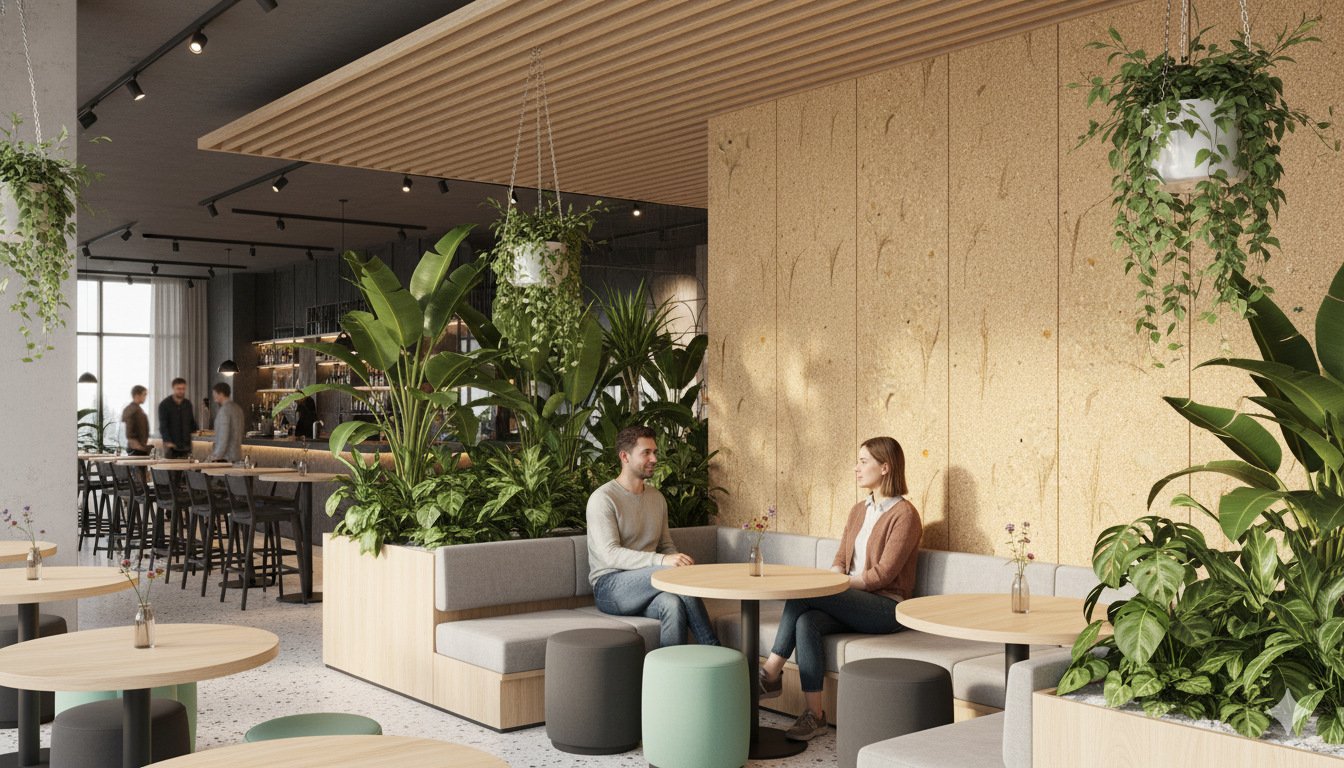
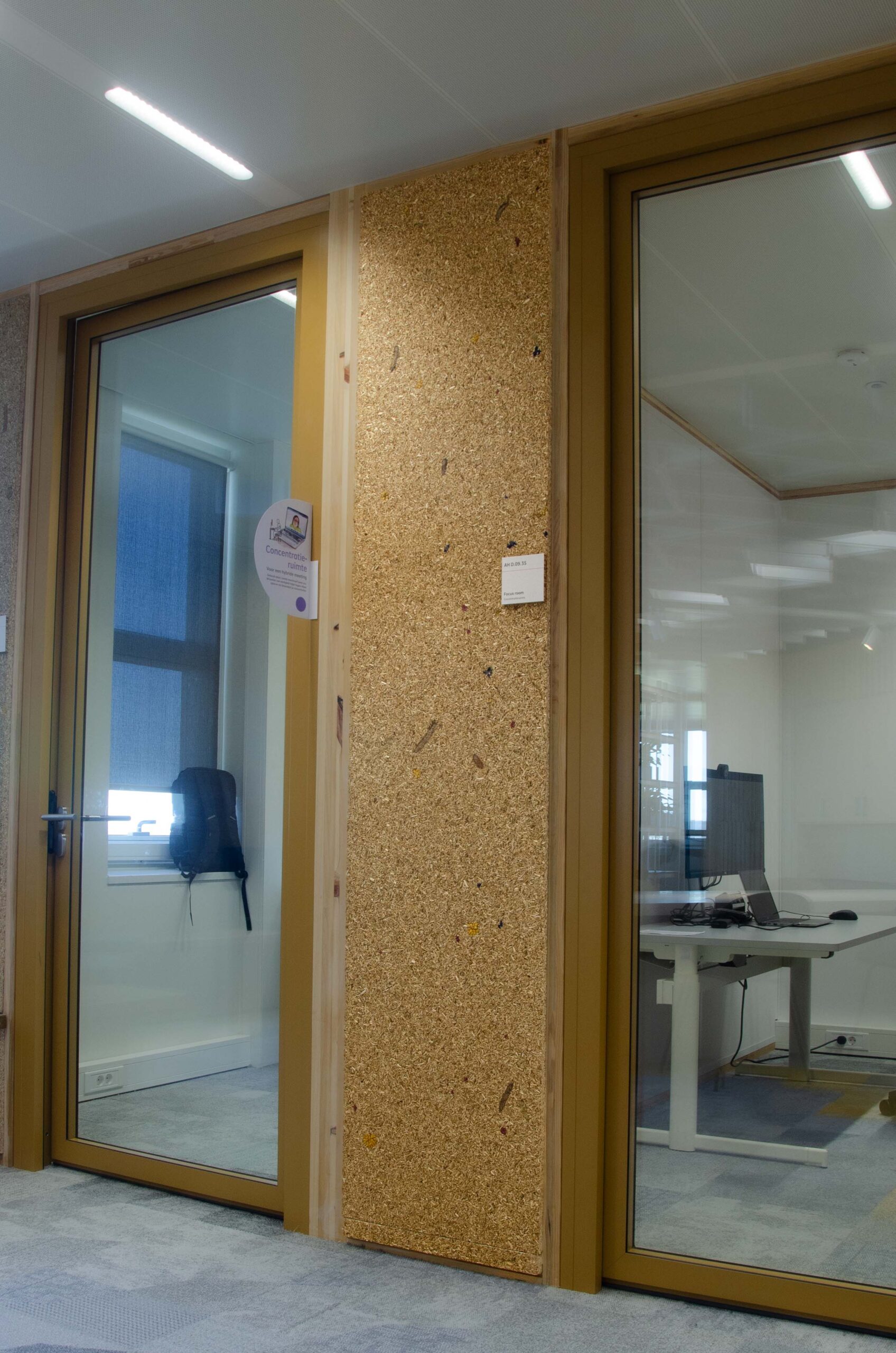
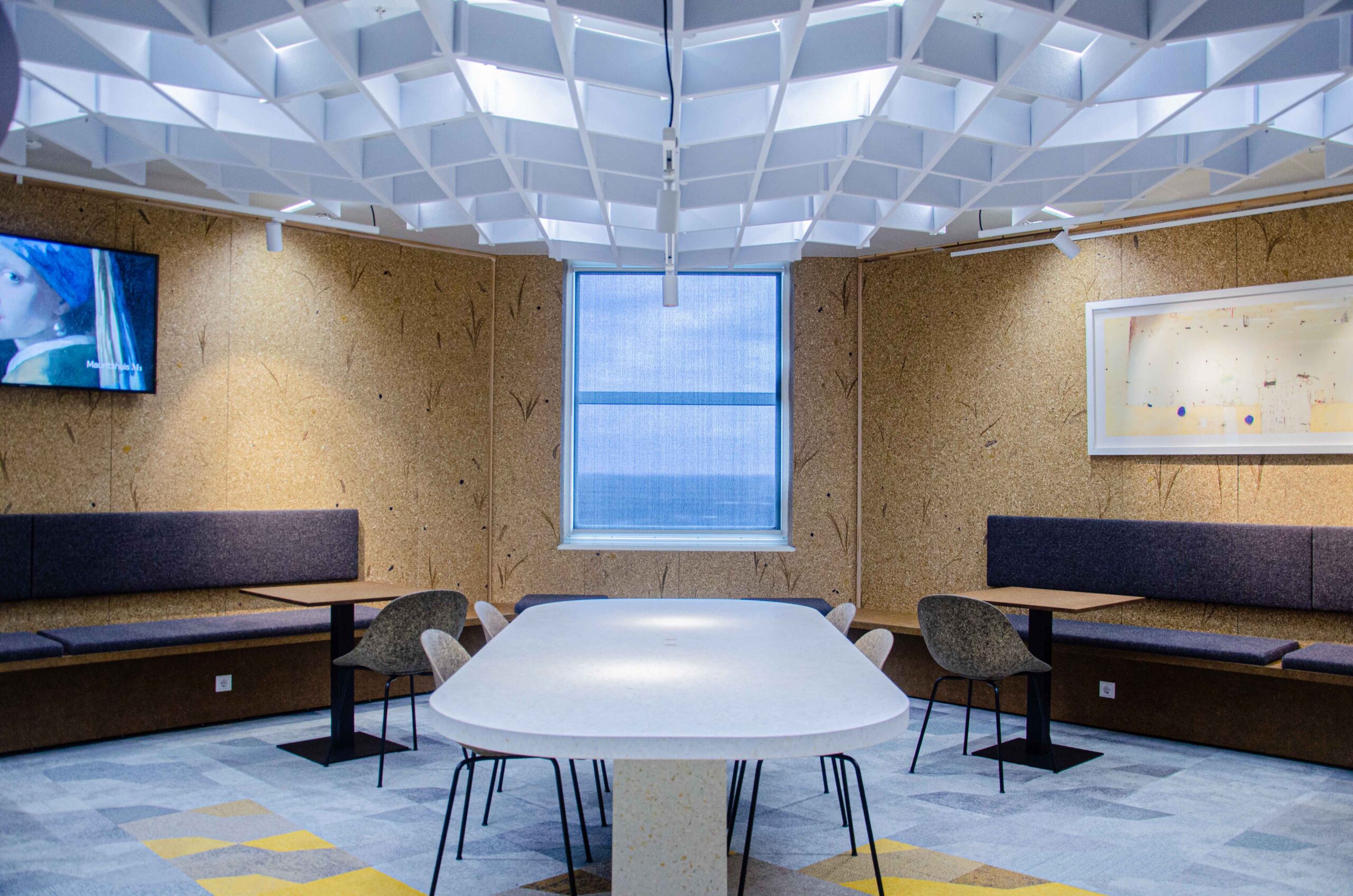
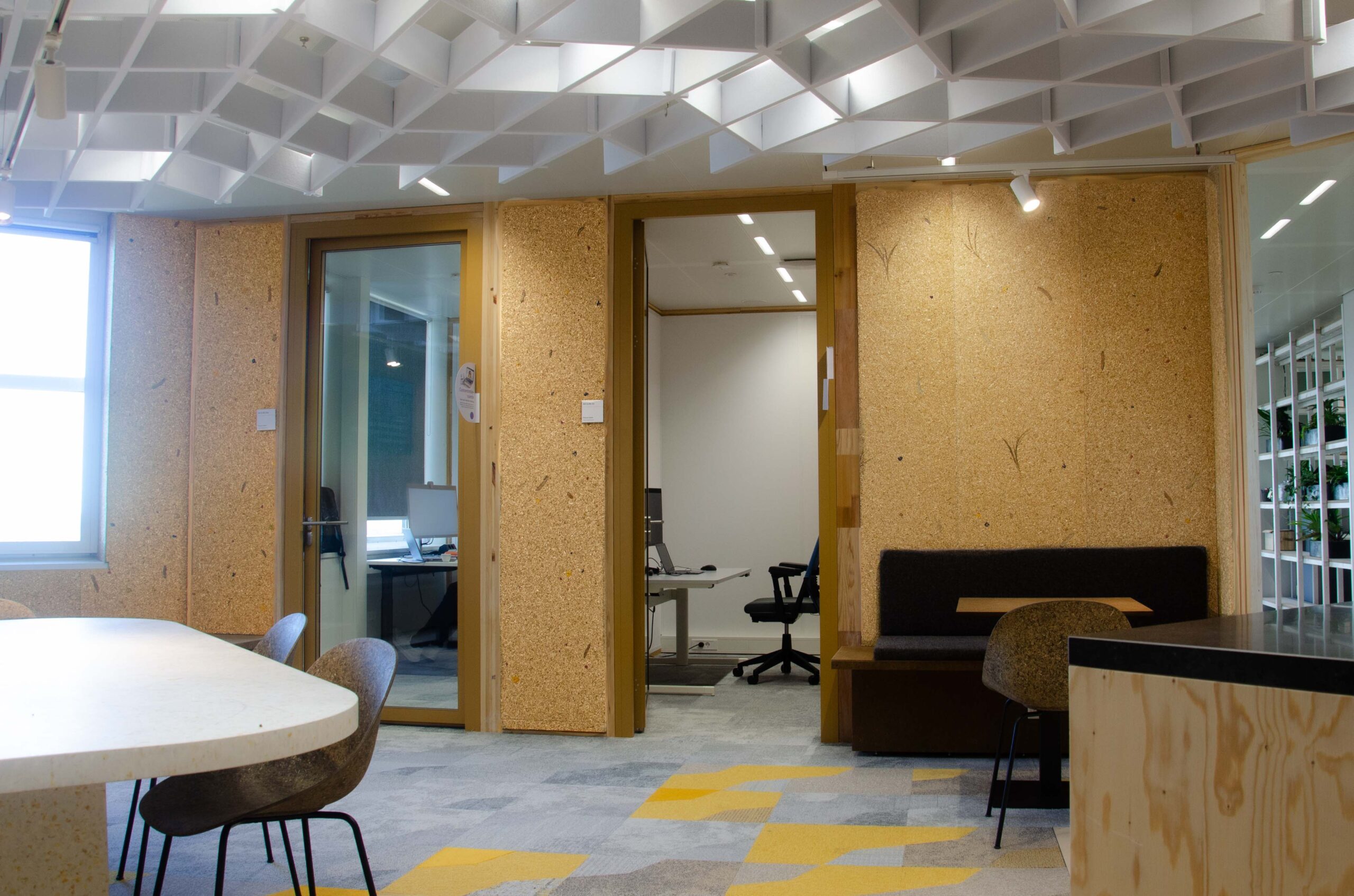
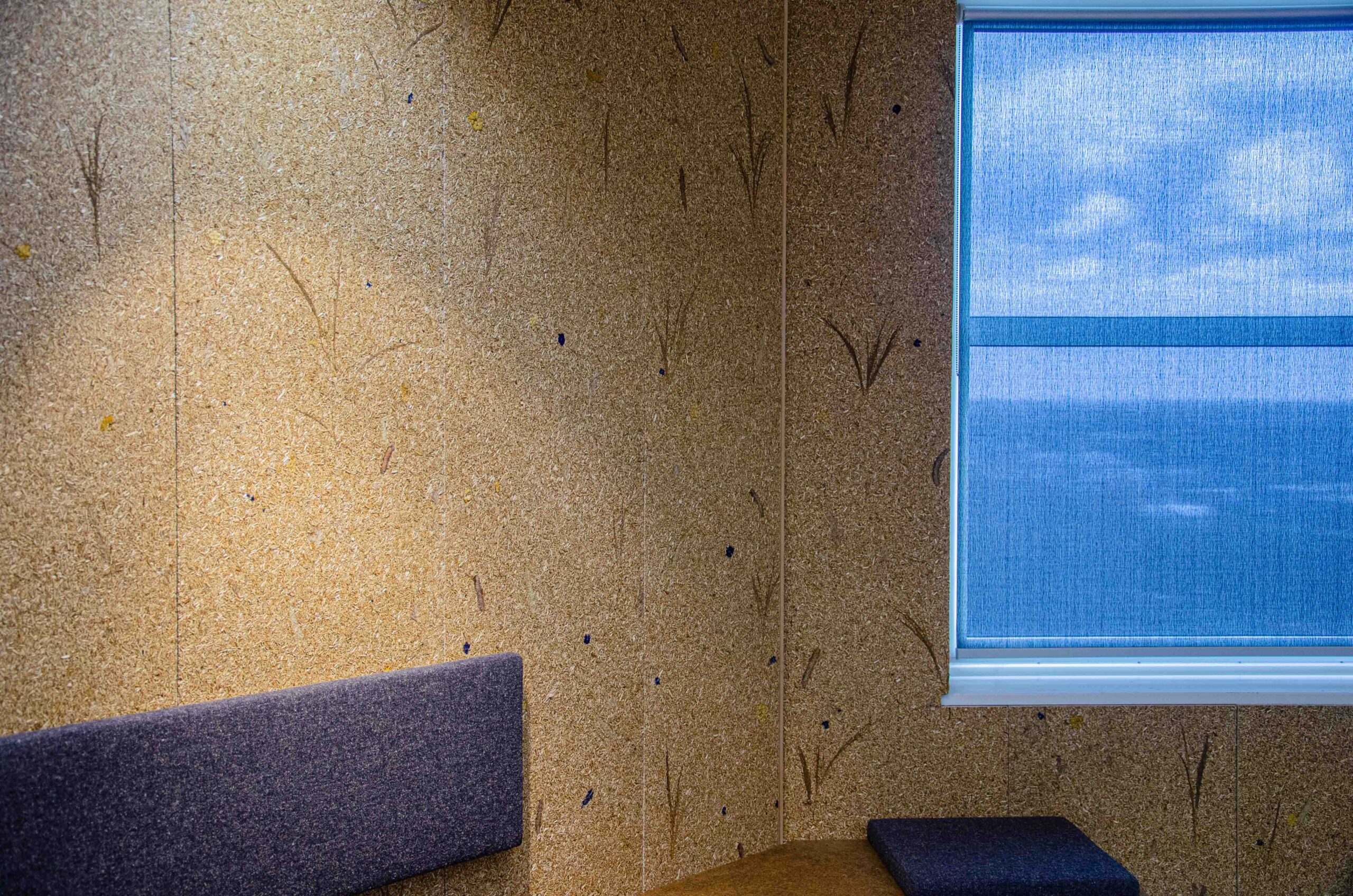
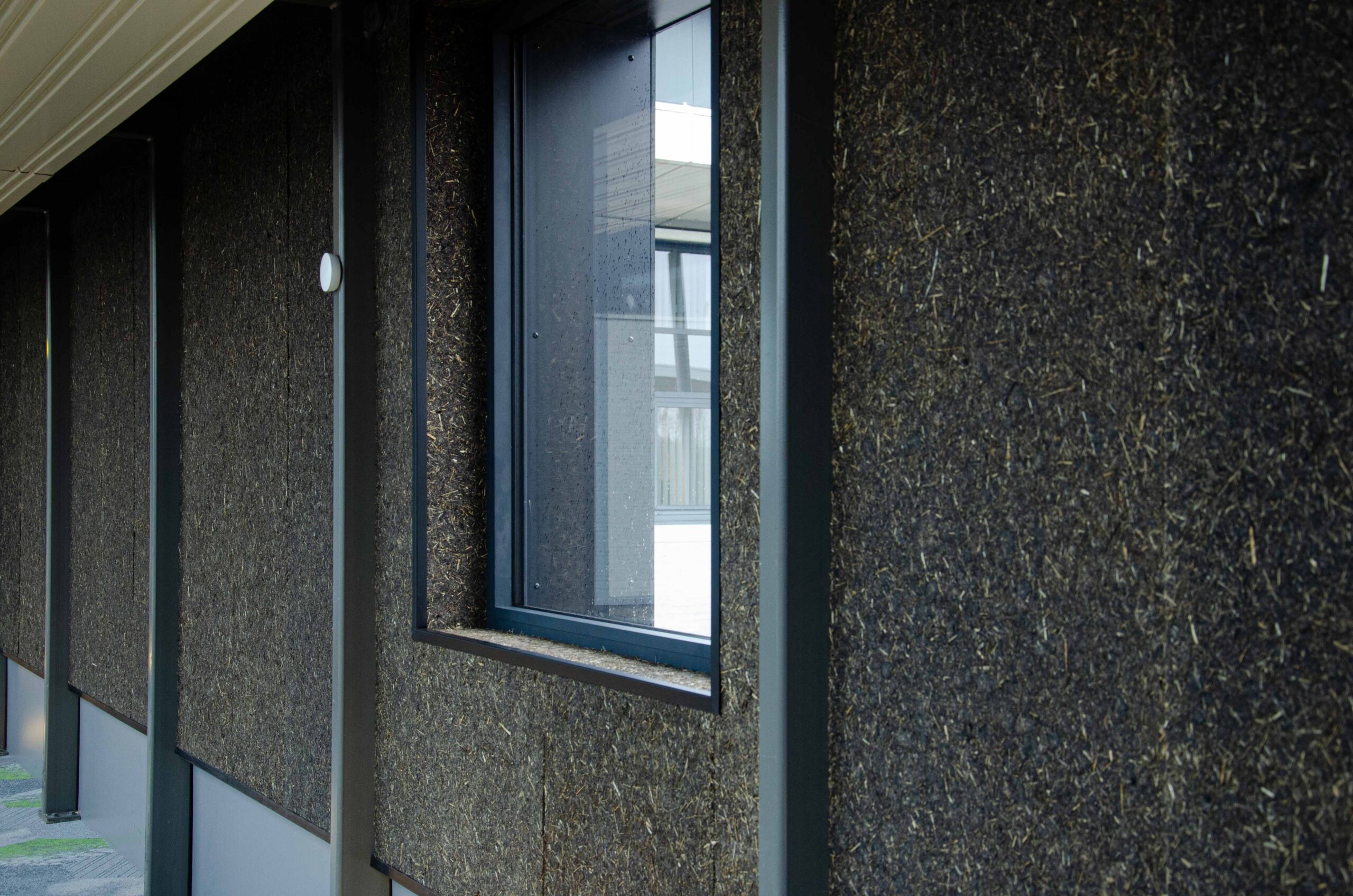
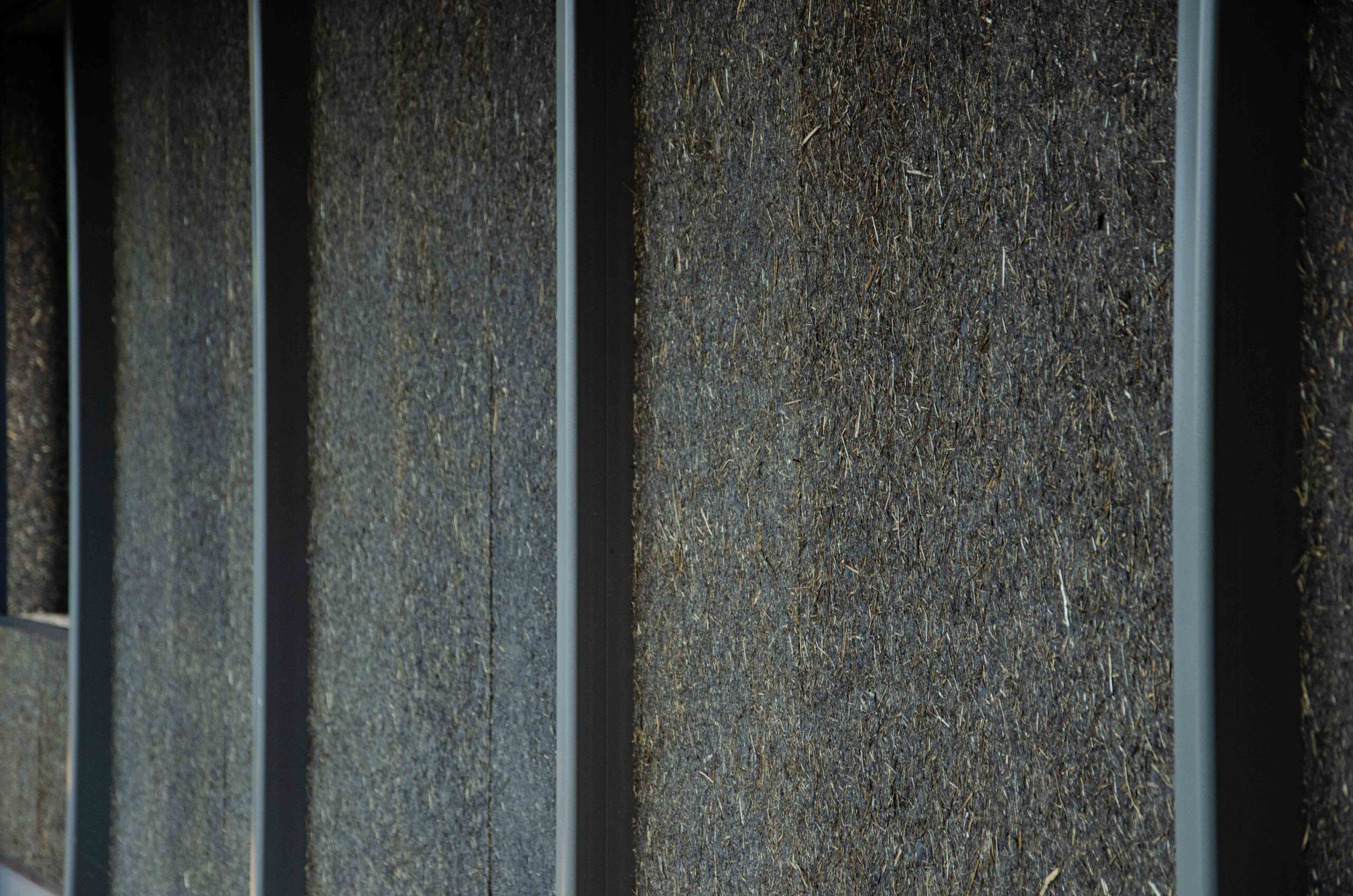
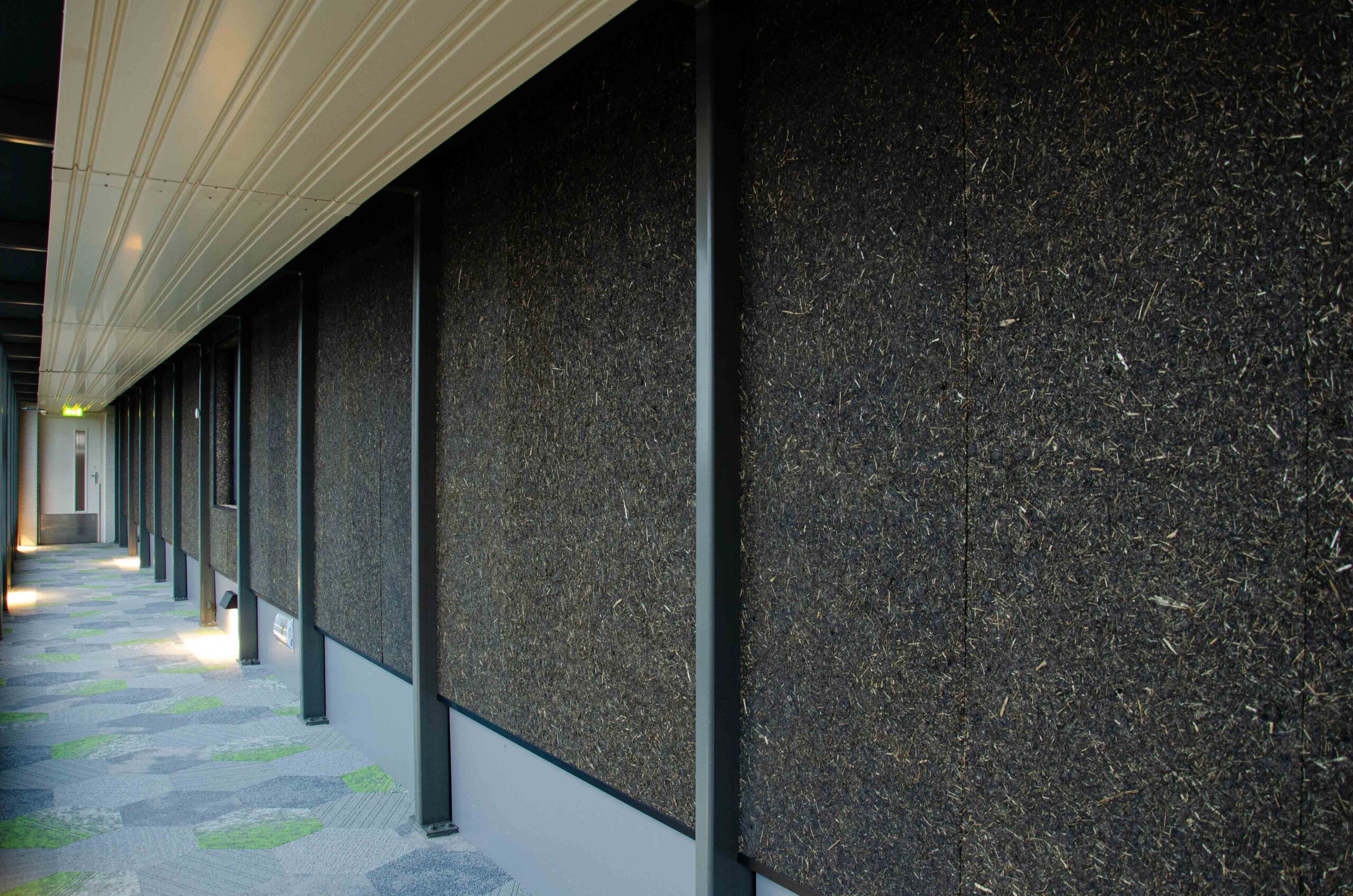
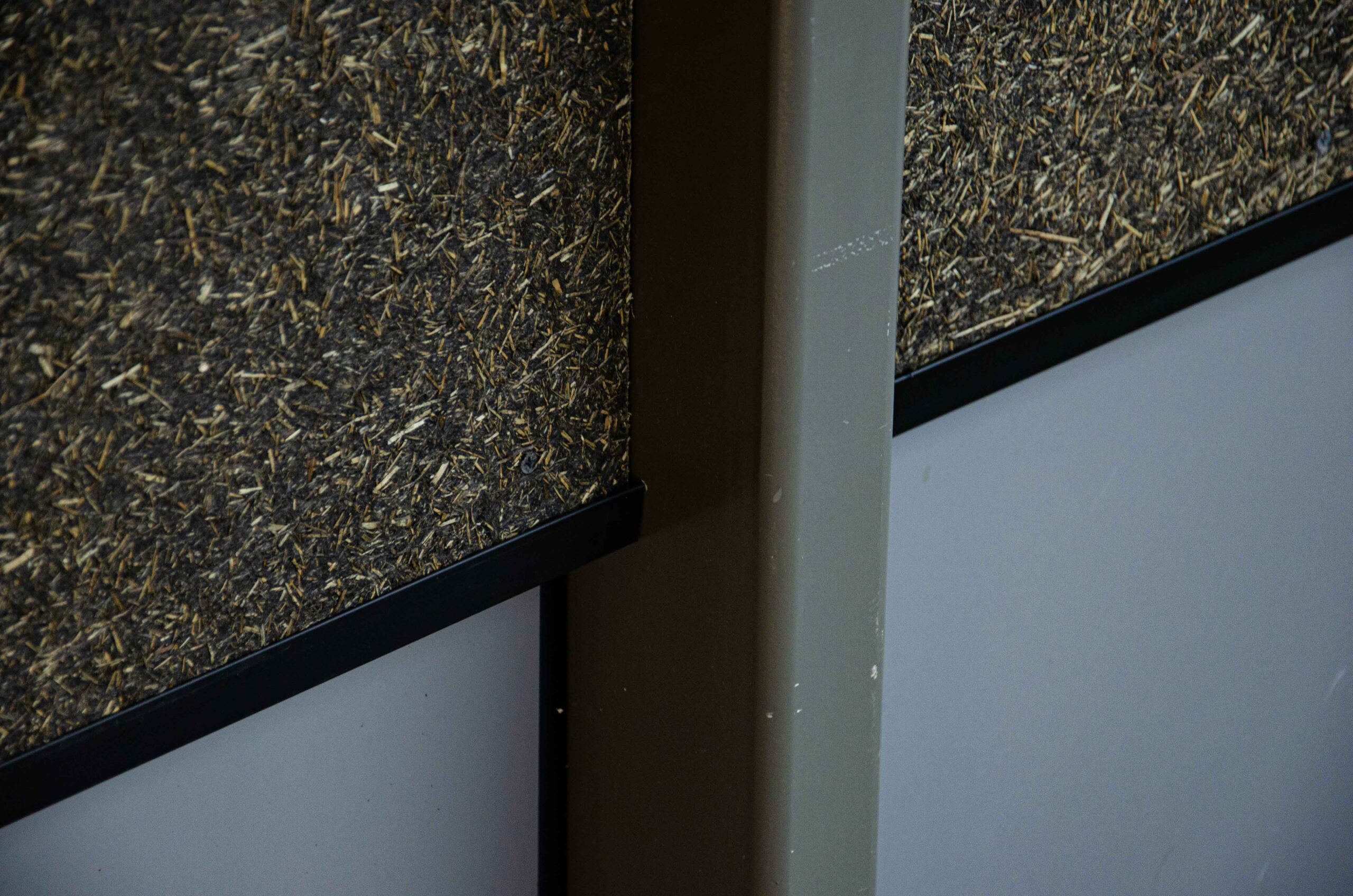
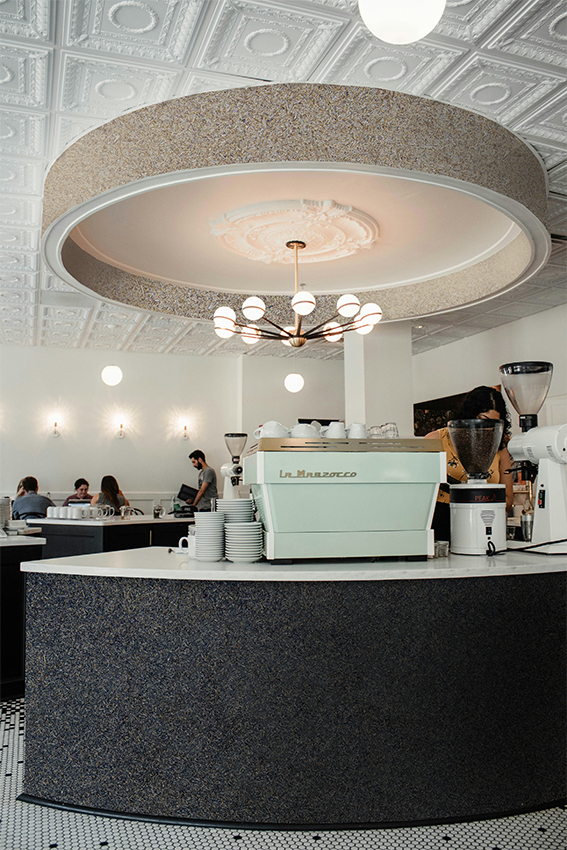
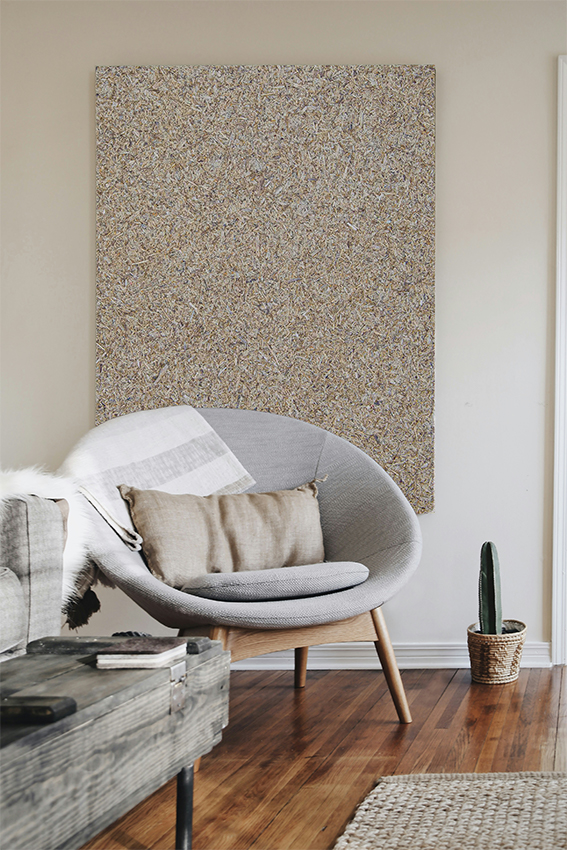
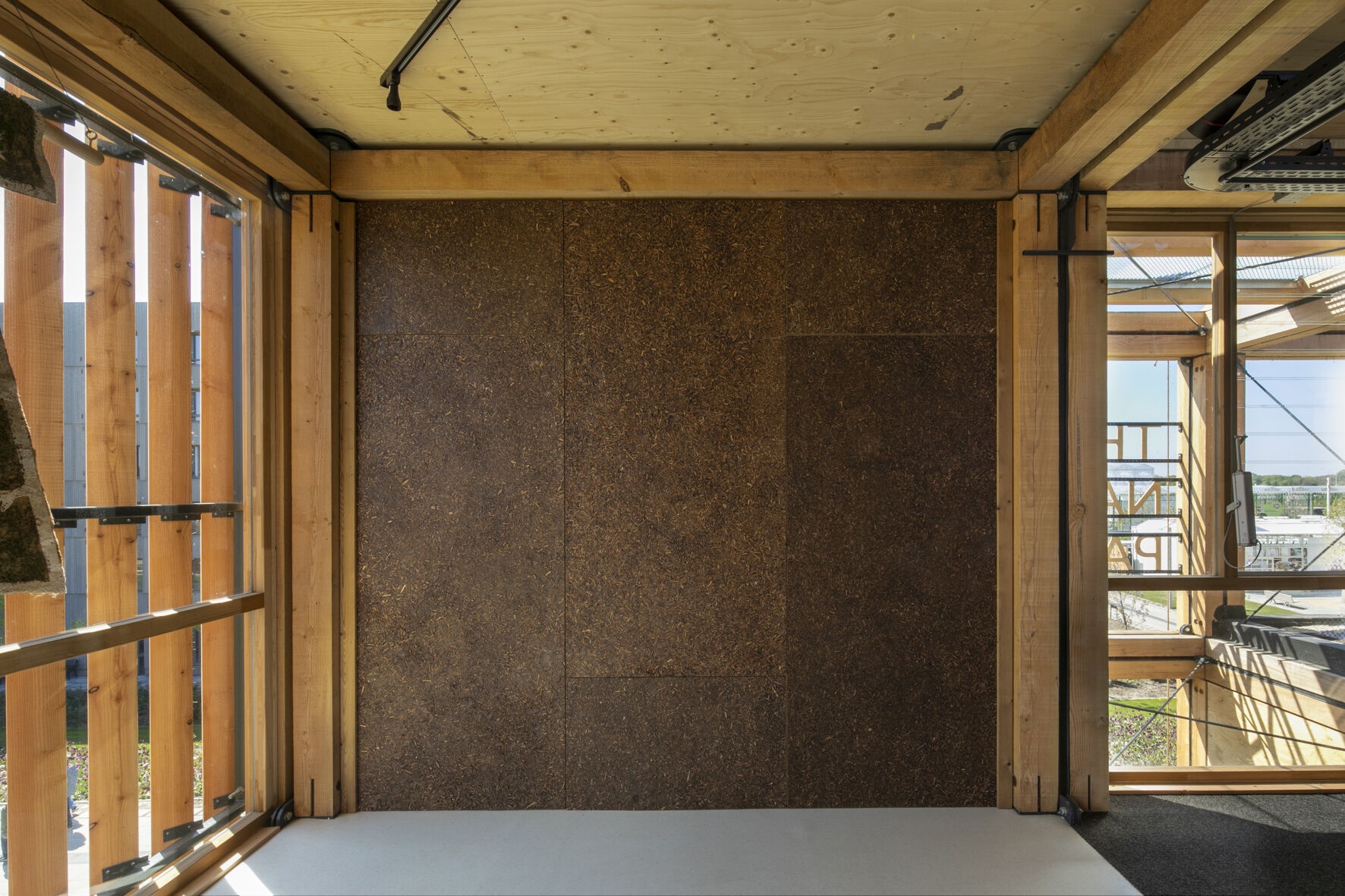
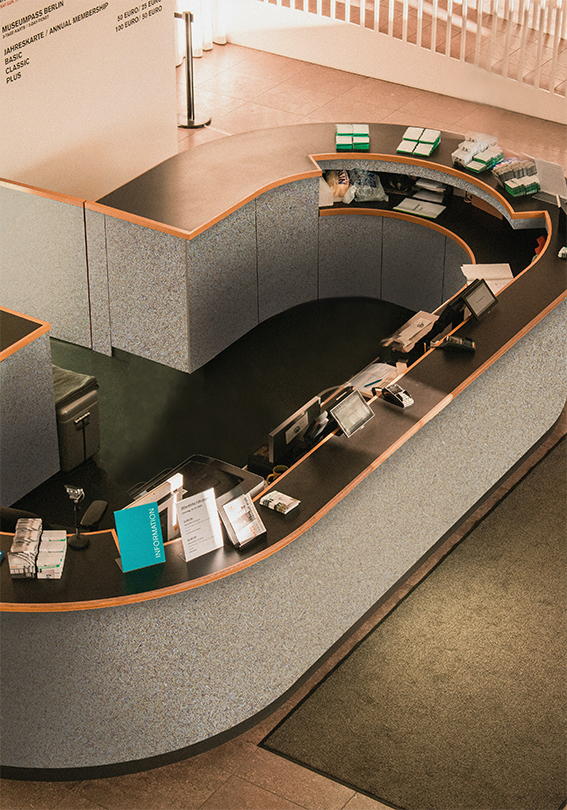
At the NN office, 110 panels were installed across five floors — an environment where circularity, experience, and focused working come together.
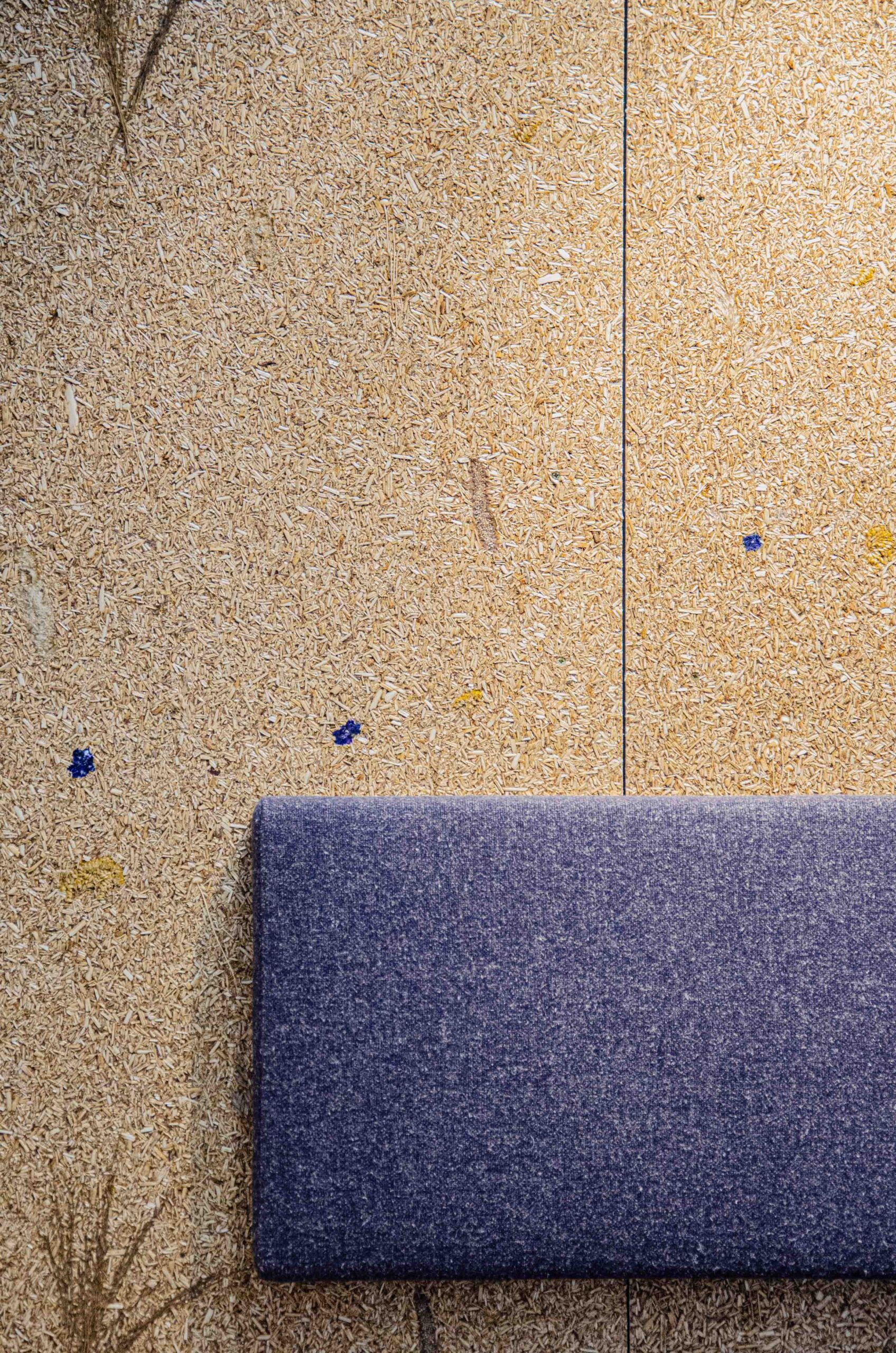
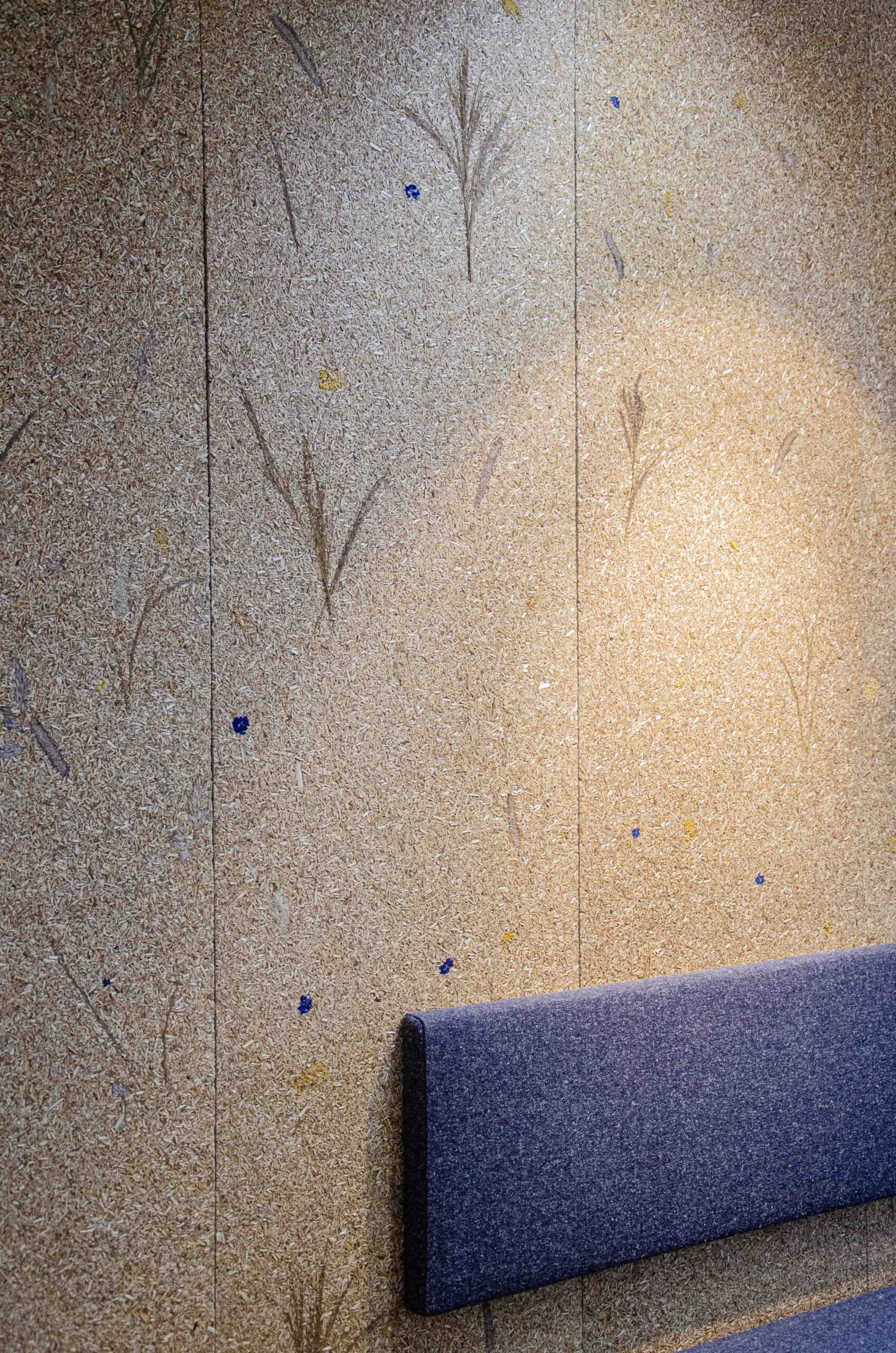
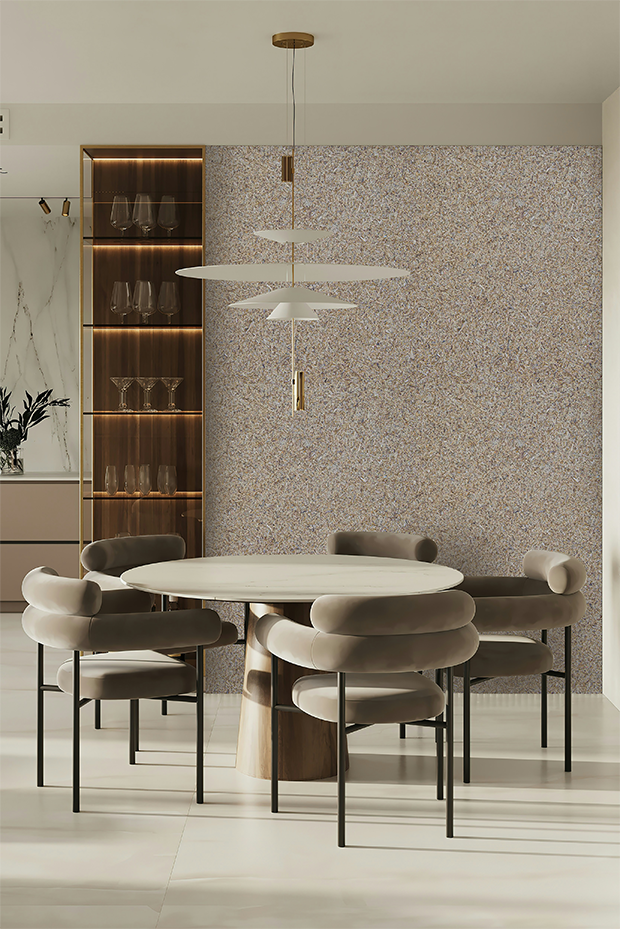
Our panels were applied in the meeting and social spaces, where they contribute to a warm, natural aesthetic and a tangible sense of comfort.
Zenber Architects designed an acoustically balanced space in which material choices and spatial experience seamlessly align.
Here, the panels enhance the visual identity and the comfort of the working environment.
The circular office was realized using reclaimed and biobased materials carefully harvested, processed, and installed by Spaces4you.
With 110 panels applied, another 1200 kg of CO2 have been captured, equal to 1200 days of breathing as a human.
With special thanks to Jerry van Hekken for the collaboration.
Roadside Grass Development and Execution
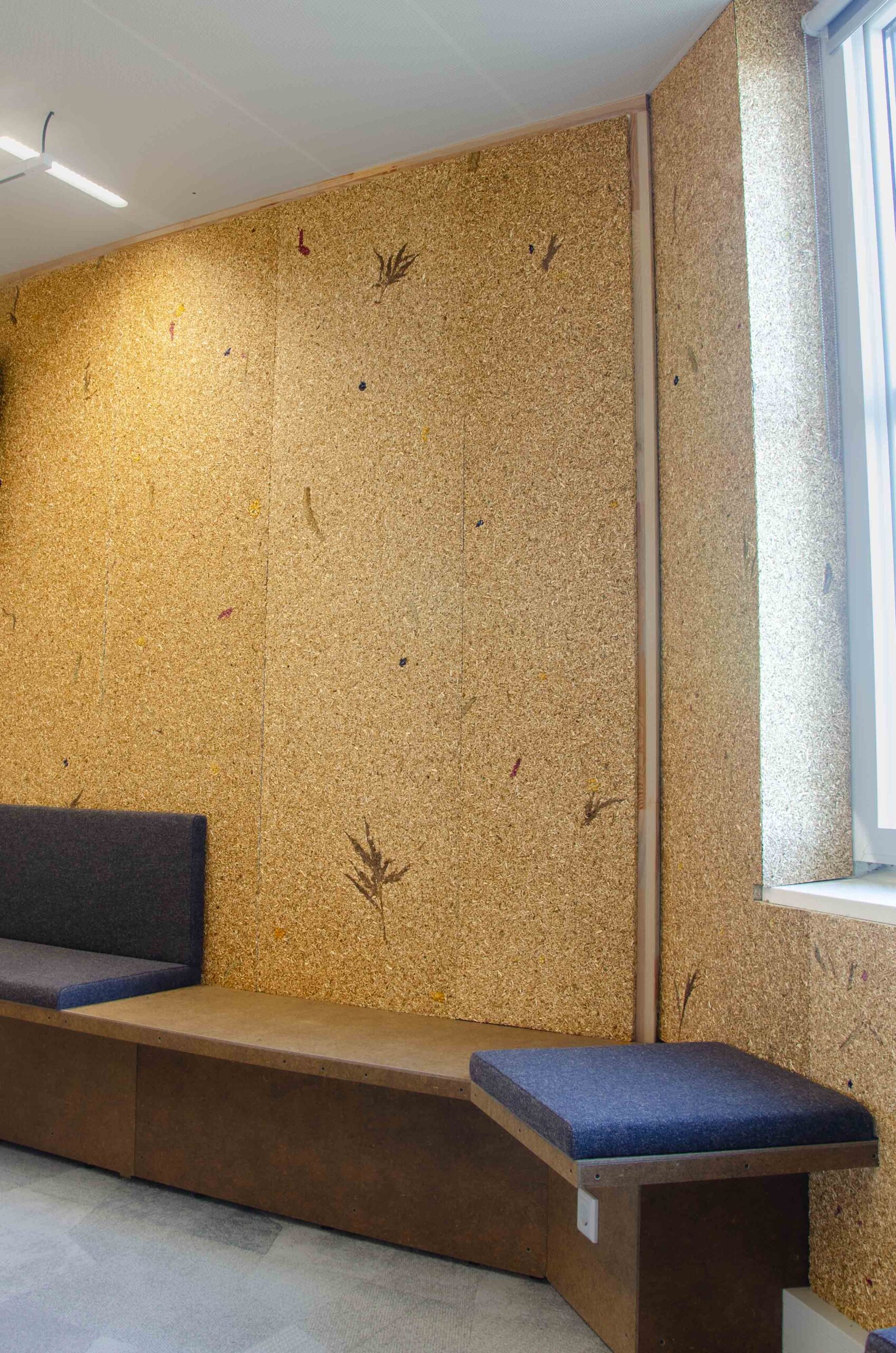
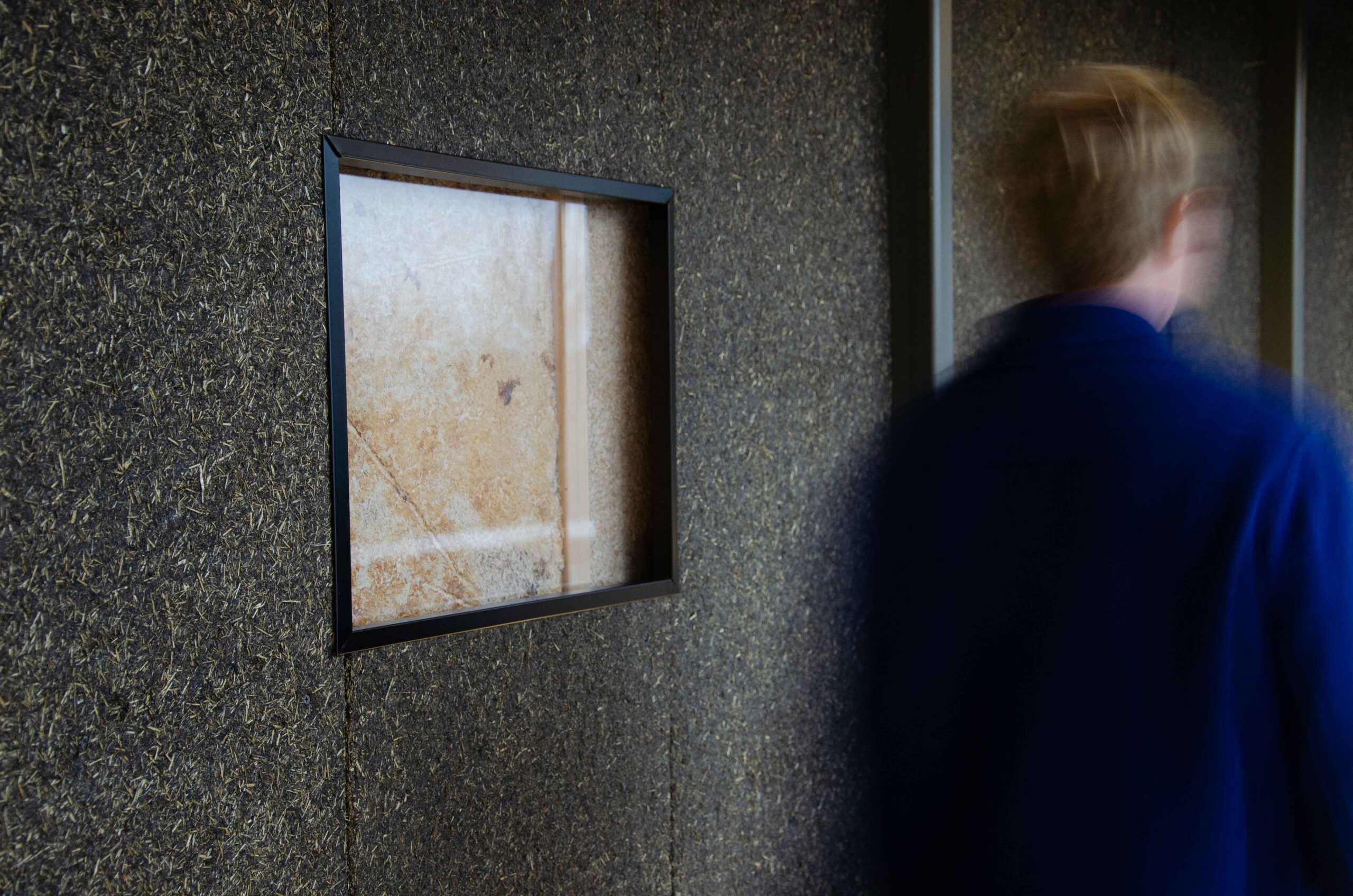
Tailor Made Roadside Grass panels for Waterschap de Dommel
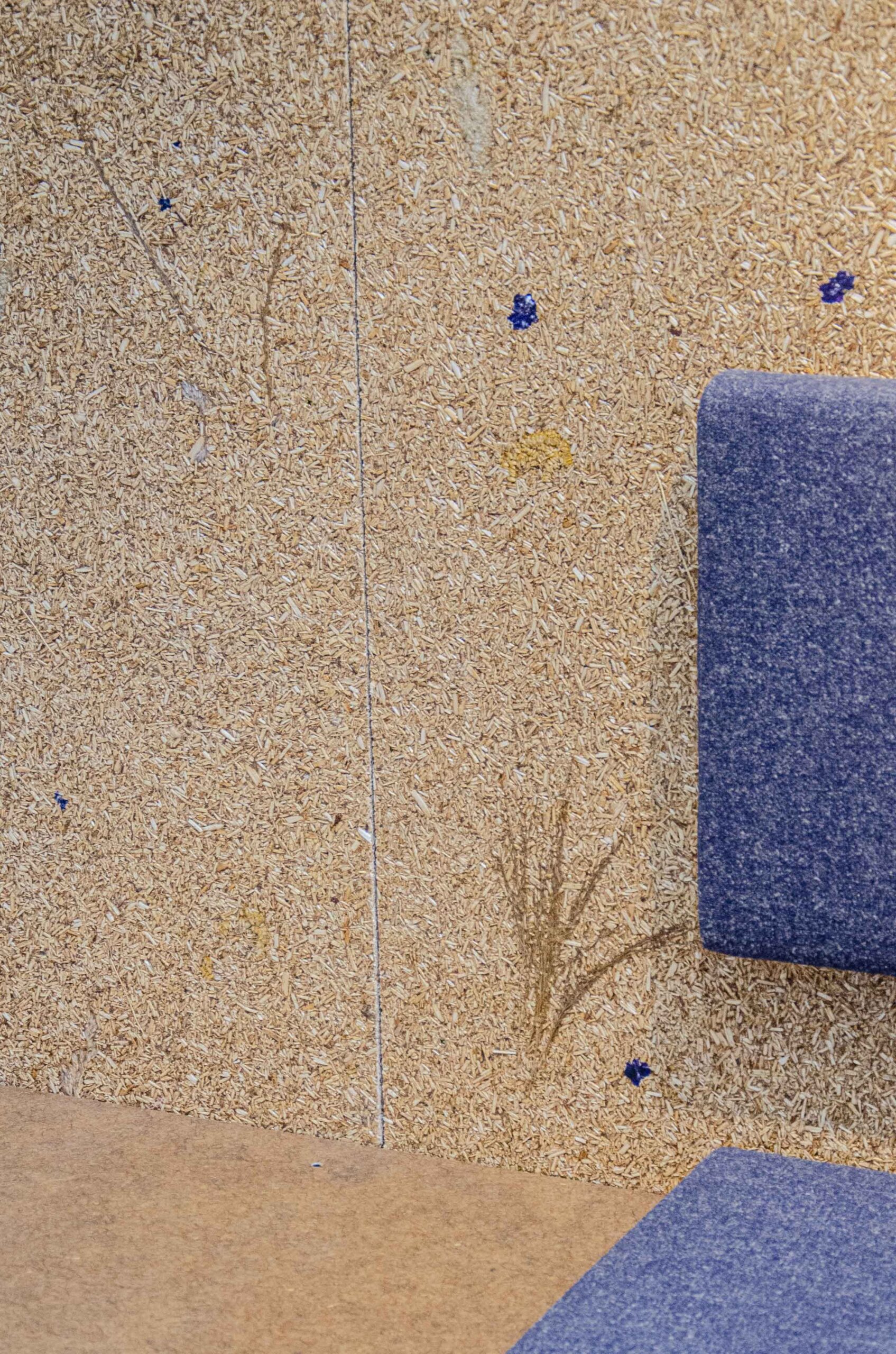
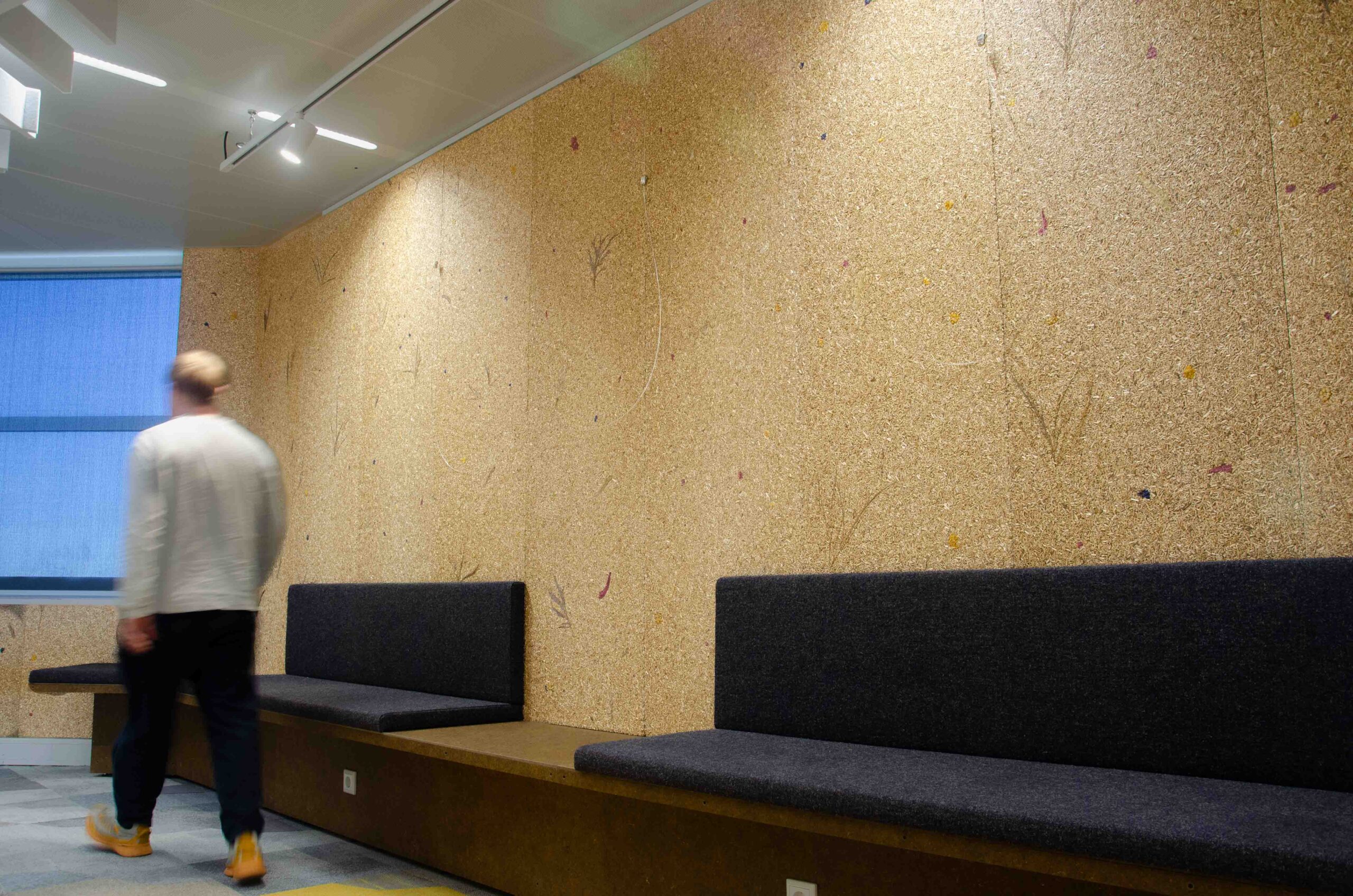
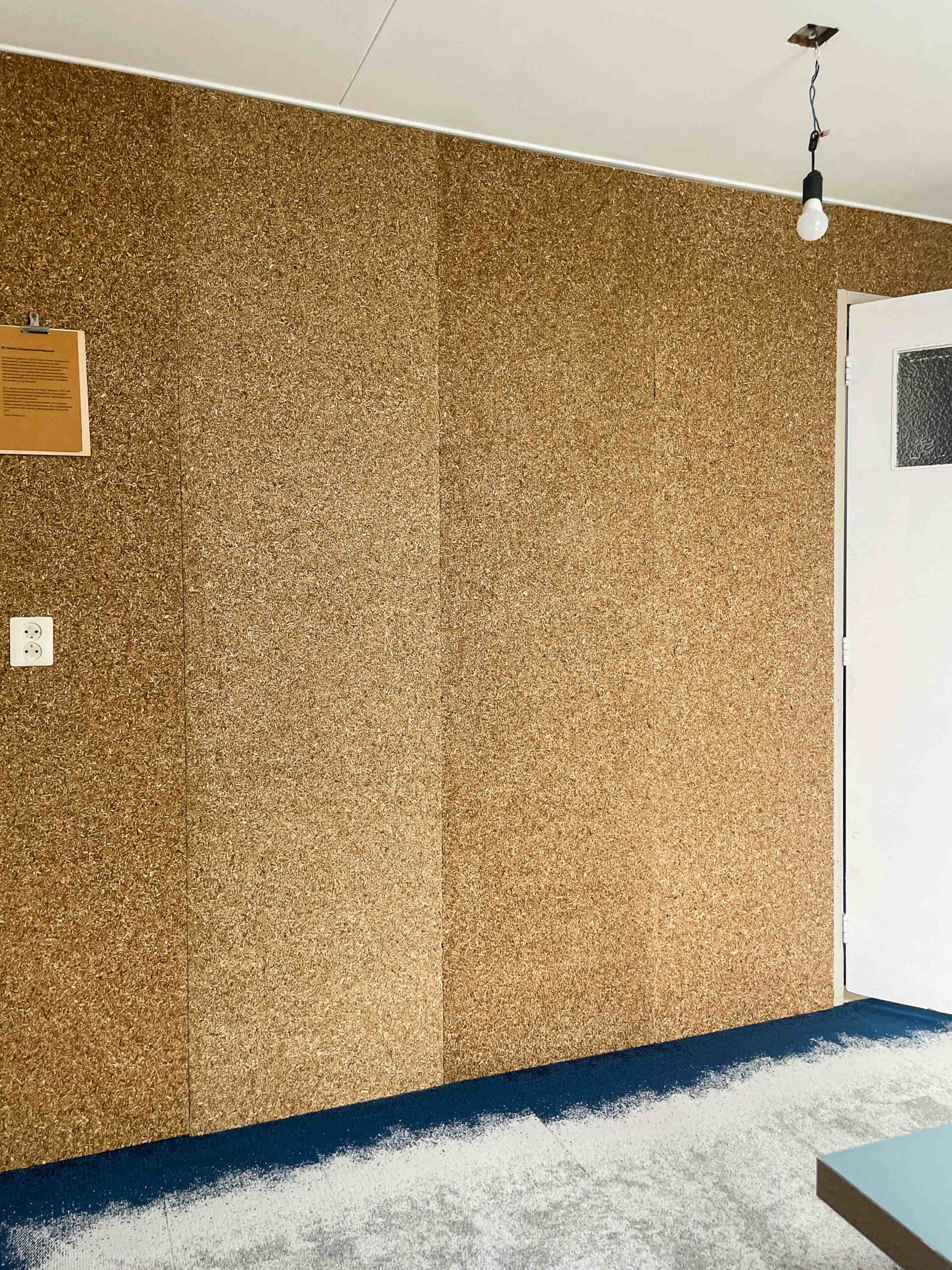
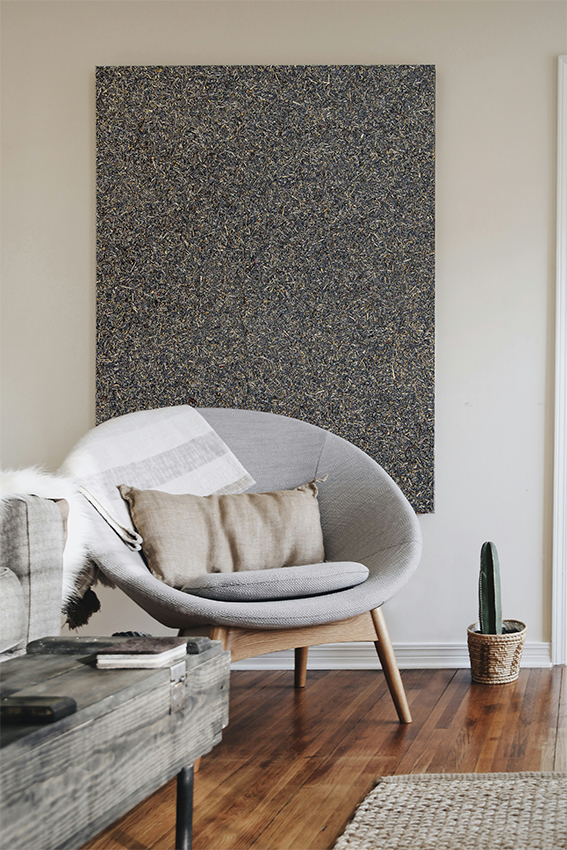
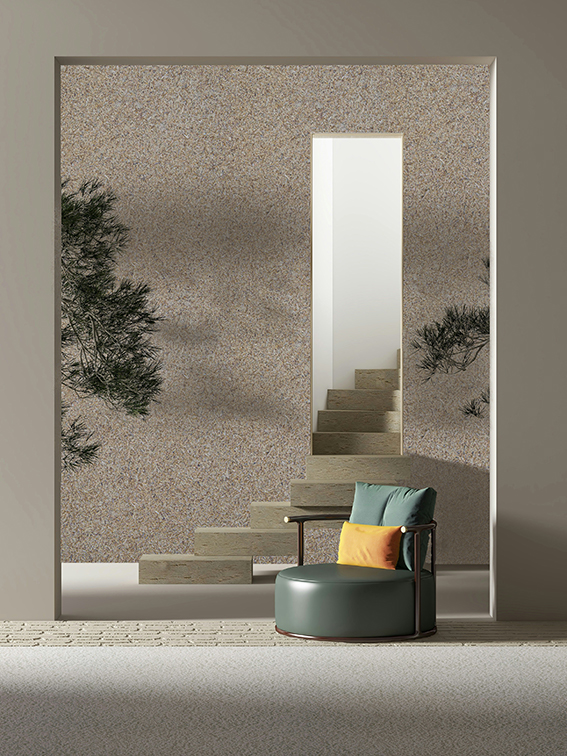
What started as roadside grass is now part of a finished interior.
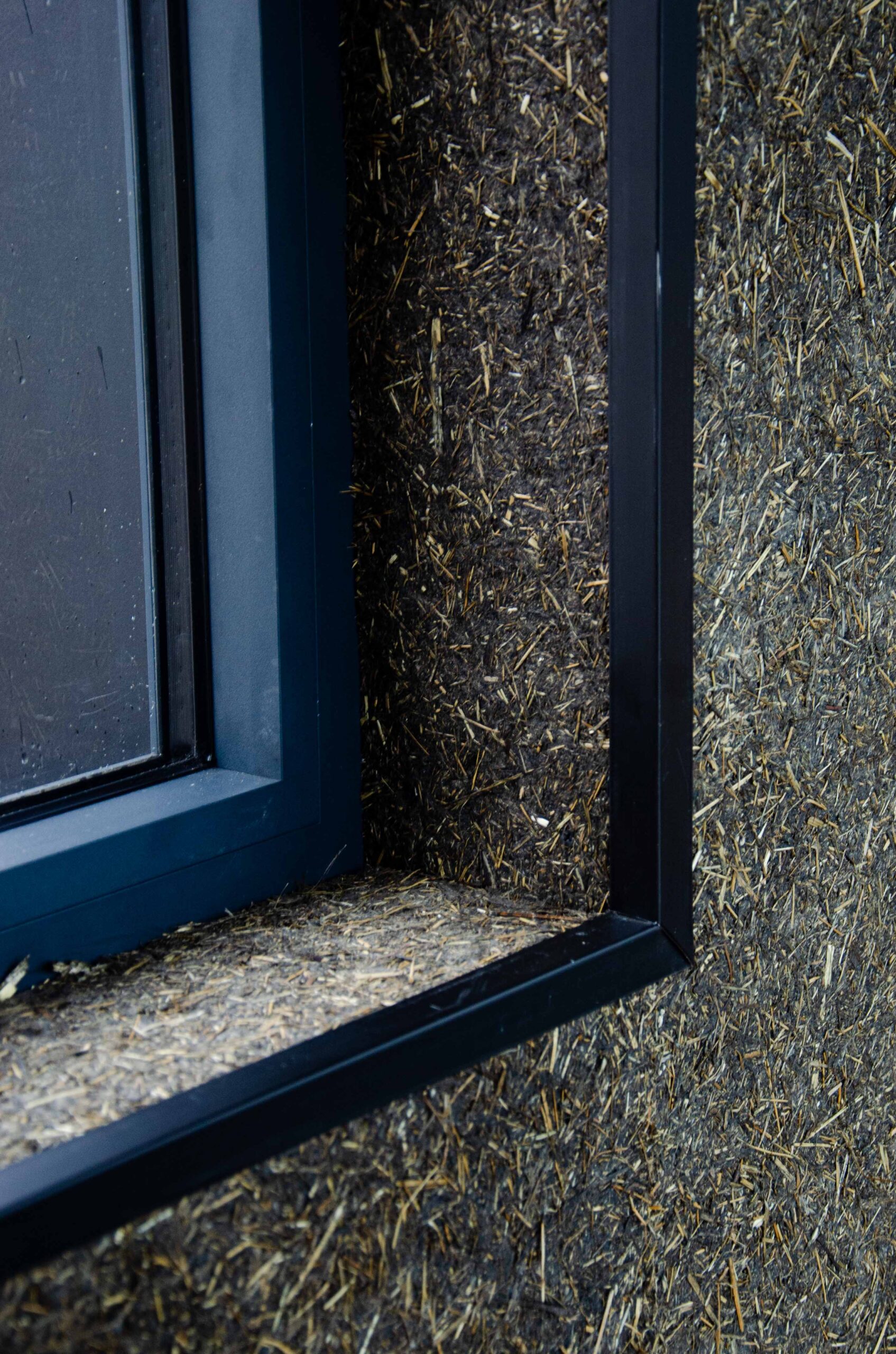
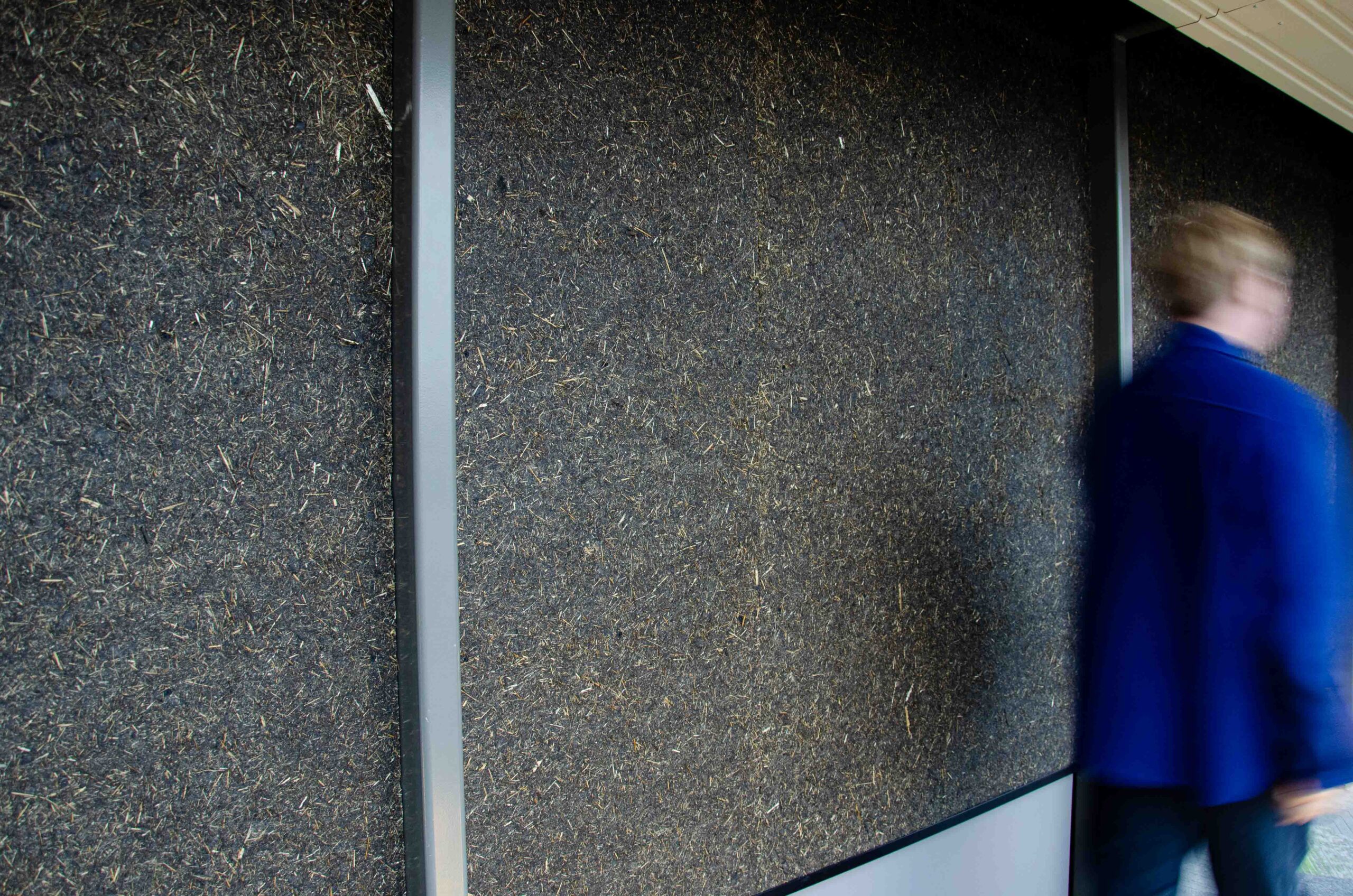
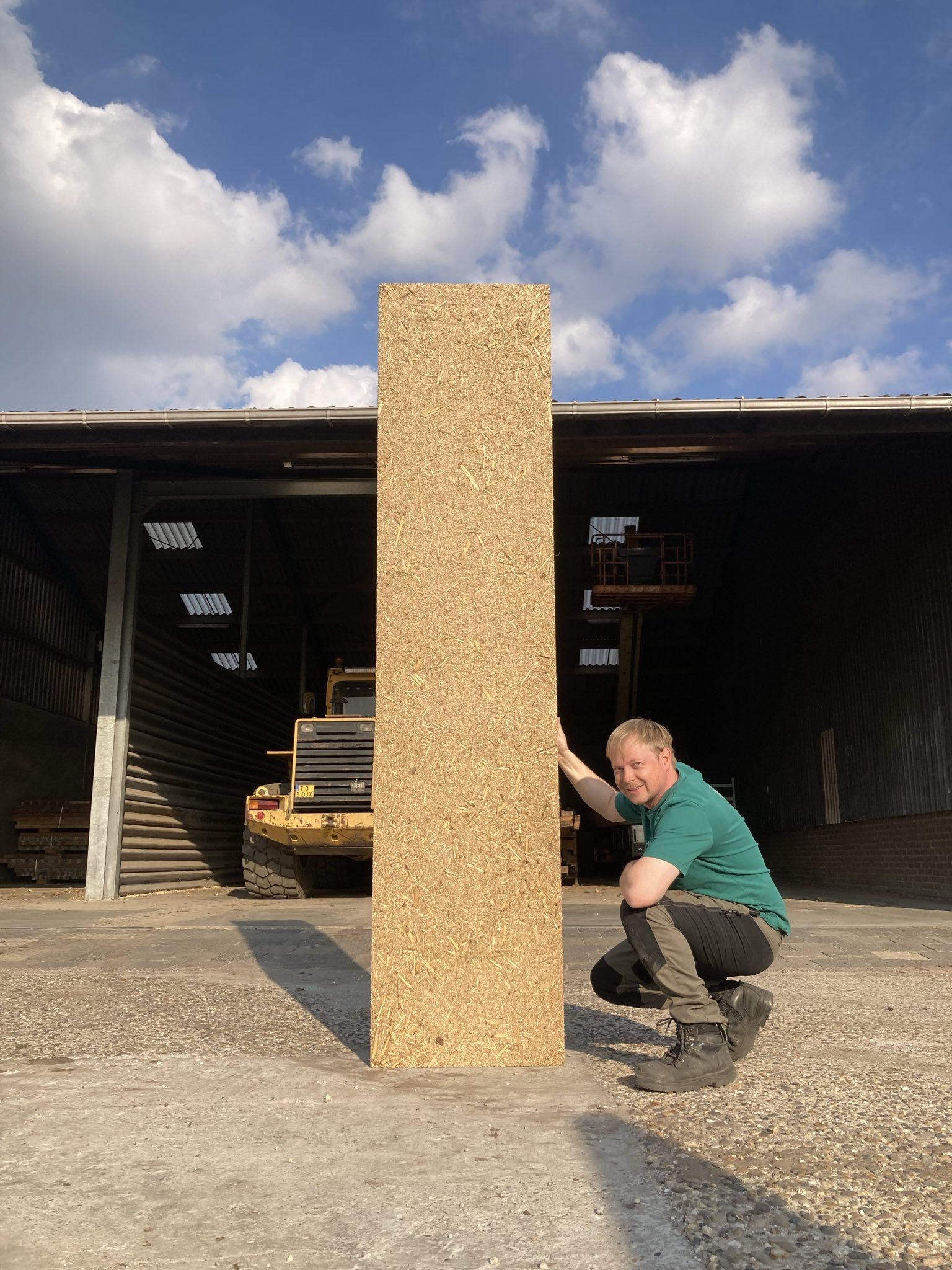
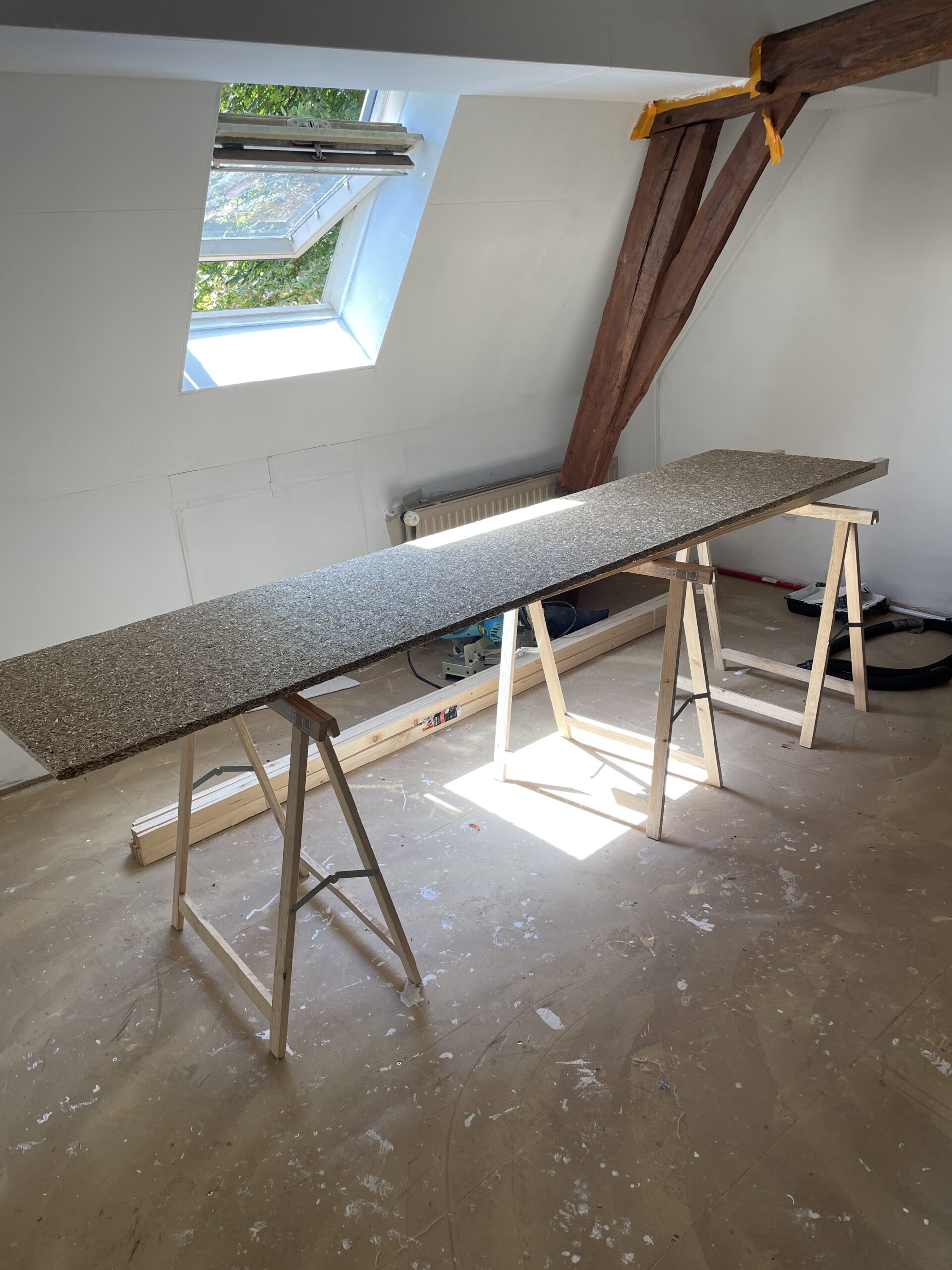
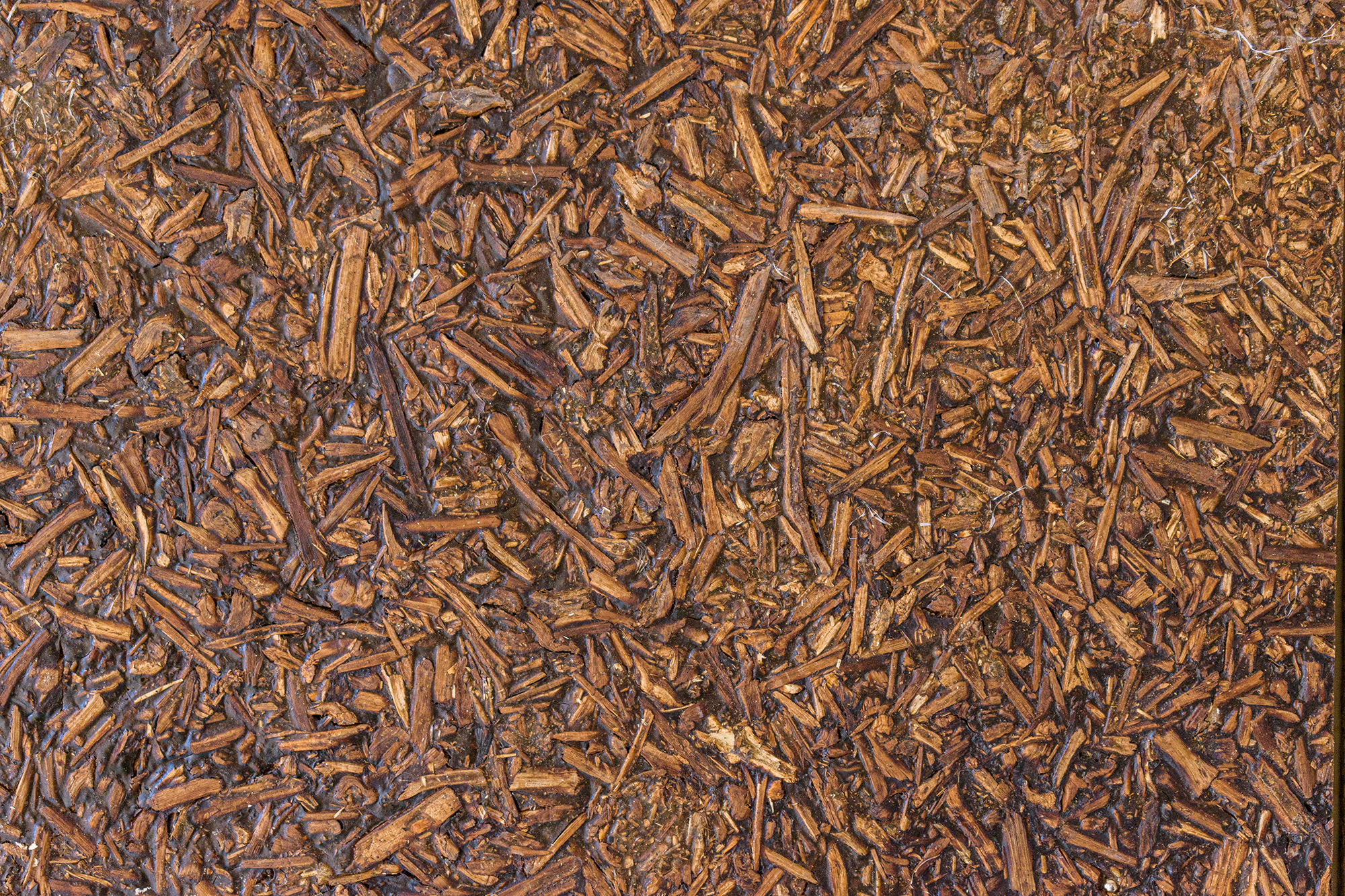
Together with Waterschap De Dommel, we transformed locally harvested roadside grass into biobased wall panels—developed, produced and installed within their own region. What is normally seen as a maintenance by-product became a tangible building material, applied in the very buildings that are being renovated and modernised.
This project is about making circularity work in practice.
The fibers come from the landscape the water authority manages every day. They are processed locally, turned into repeatable panels, and used to finish walls in their own offices. Short chains, clear origin, real application.
For Waterschap De Dommel, this is a concrete step toward their circular ambitions for 2030.
For us, it proves that biobased materials don’t have to travel far, be abstract, or remain experimental. They can be practical, scalable, and deeply connected to place.
Roadside grass, made visible again—this time on the wall.
And maybe this sounds familiar.
If your organization manages landscapes, green spaces or natural fibers, and you’re curious what could be possible with them, let’s talk. Sometimes the most valuable materials are already growing right outside.
in Collaboration with Waterschap de Dommel,
Lydia Fraai – Interior Architect
Van Kasteren – Contractor
Fiber Research Collaboration
MAMMOETGRAS CONSTRUCTION PANELS
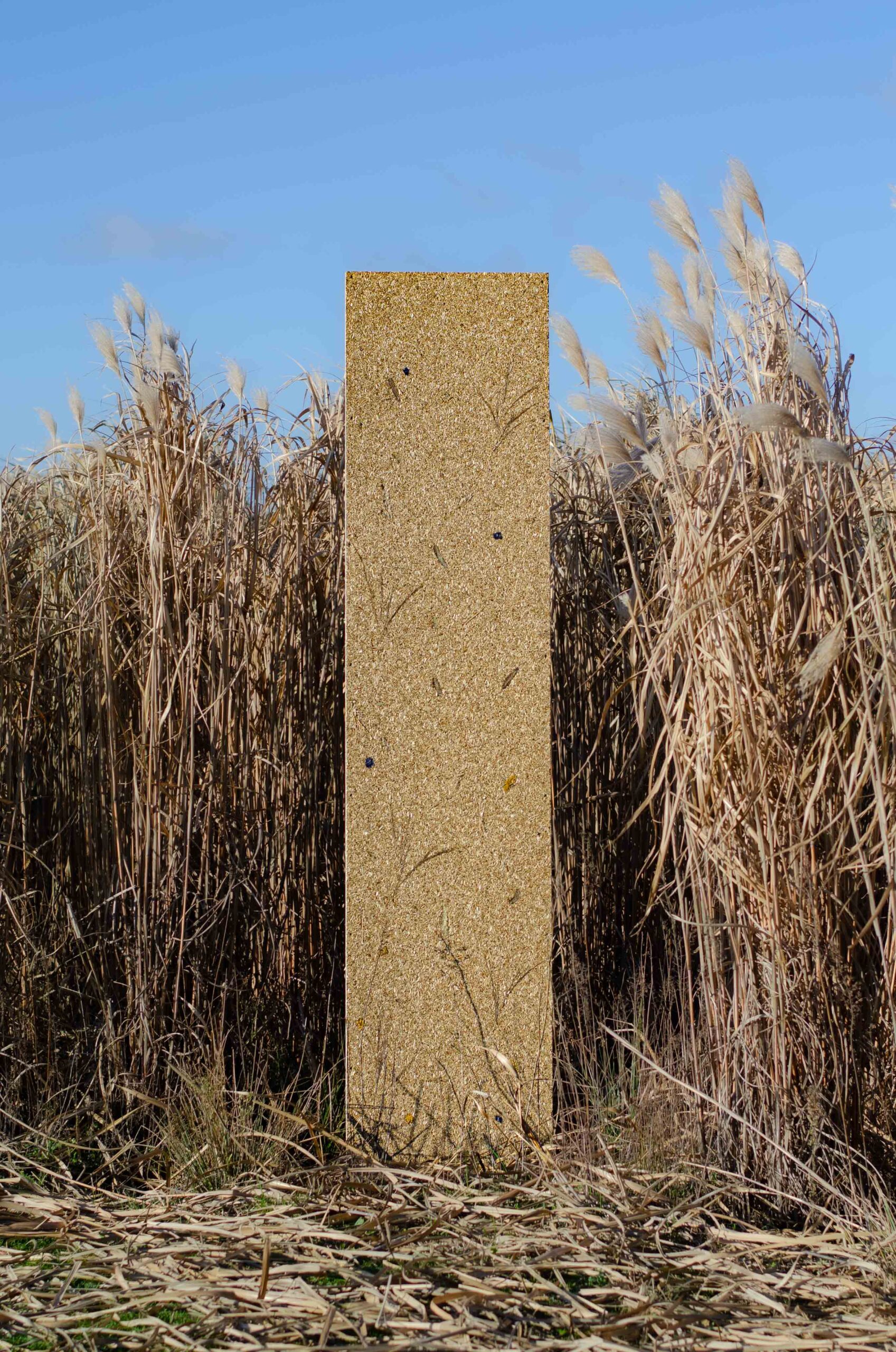
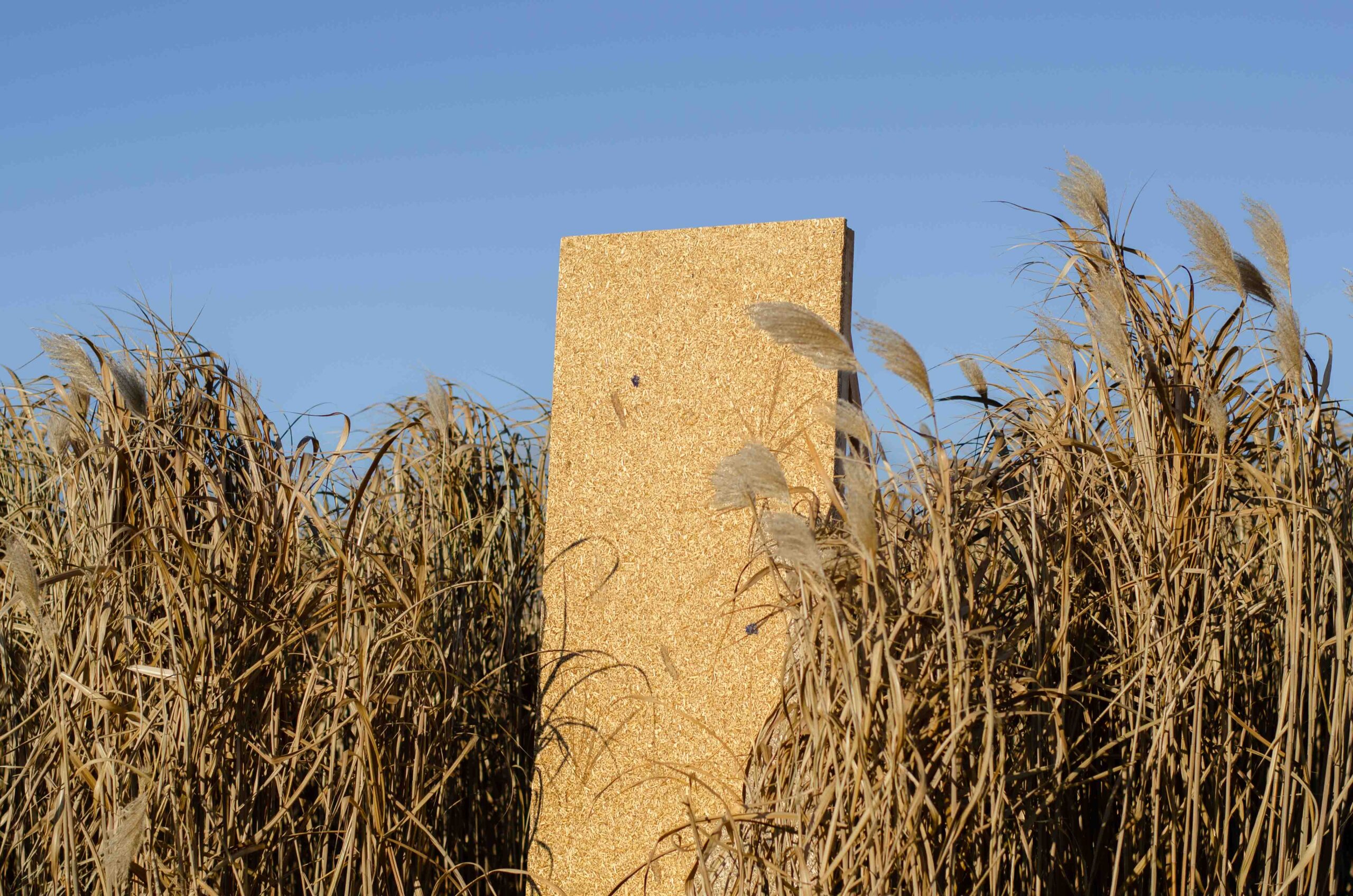
The Mammoetgras Construction Panels project focuses on developing fully biobased and compostable MDF and hardboard panels made from giant miscanthus fibers. The construction industry still relies on environmentally harmful materials, such as traditional wood fiber boards containing hazardous chemicals, leading to high CO₂ emissions and limited recyclability. This project offers a sustainable alternative by combining fast-growing giant miscanthus with biobased adhesives.
Partners Dutch Growing Solutions, Greenager+, and Compostboard collaborate on prototyping, certification, and market introduction. The project contributes to a circular economy, a more sustainable construction sector, and healthier indoor environments free from harmful emissions.
This project was made possible through European funding from the CrossRoads Vlaanderen-Nederland Program.
Friends & Family
Tailor Made Design
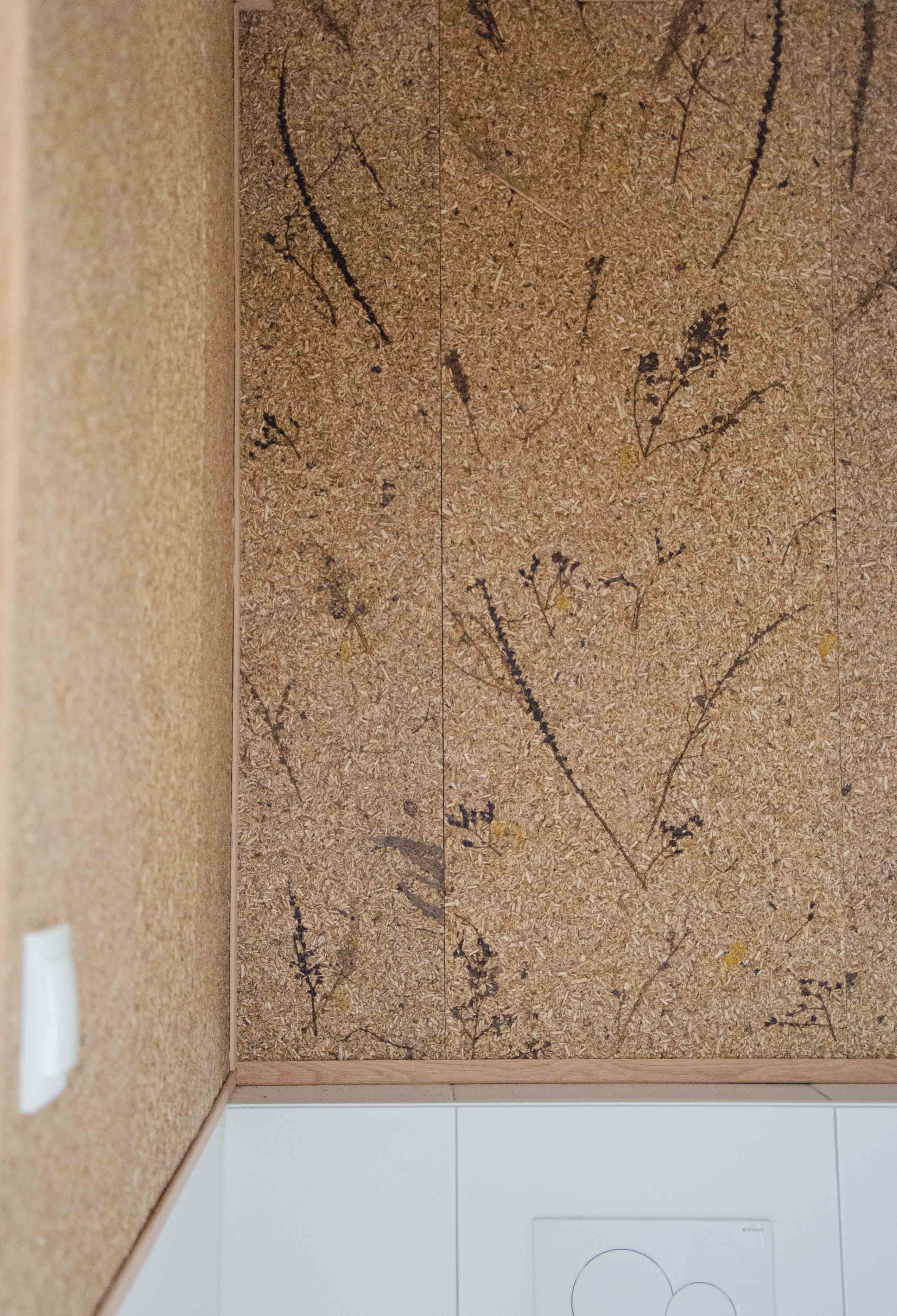
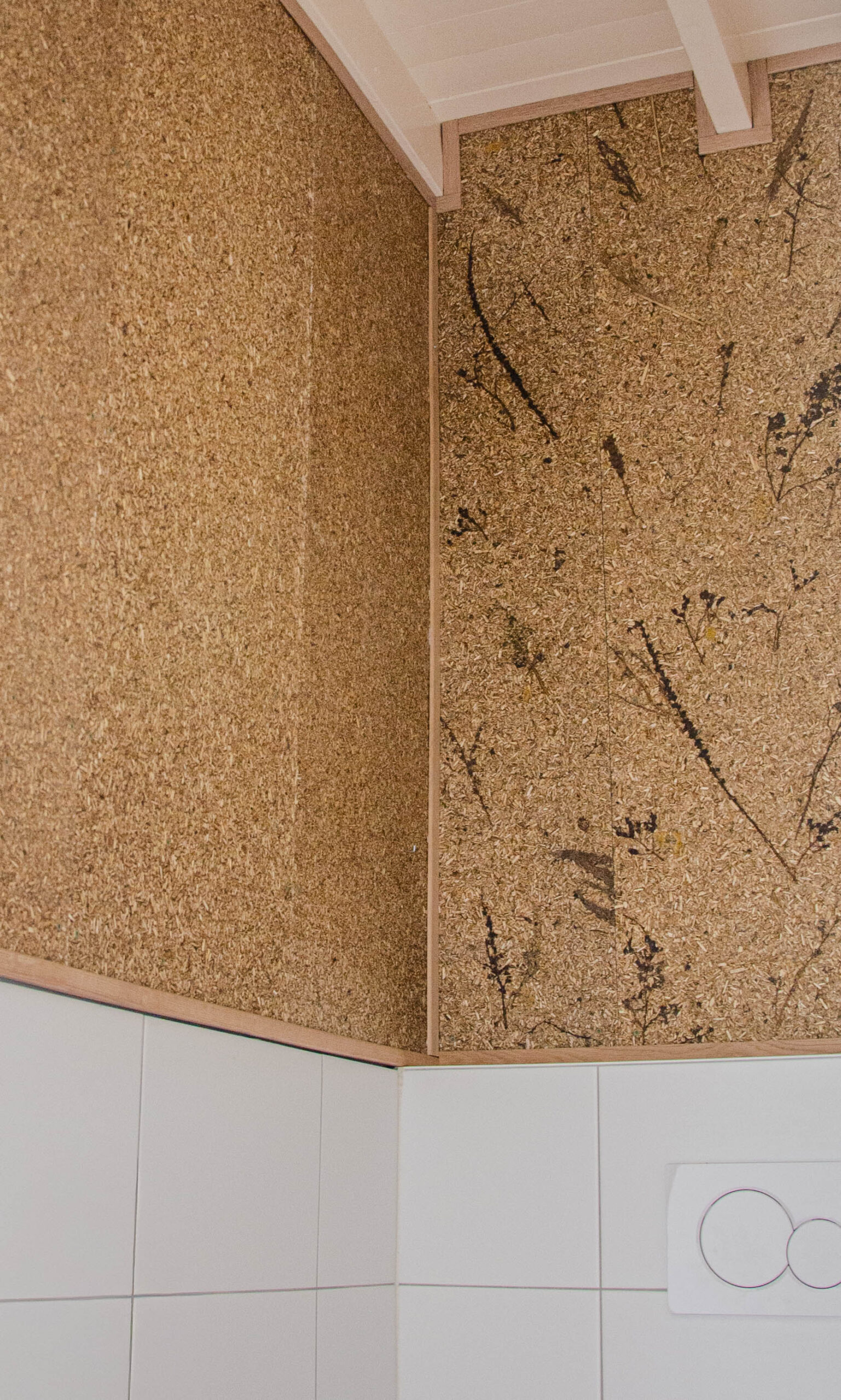
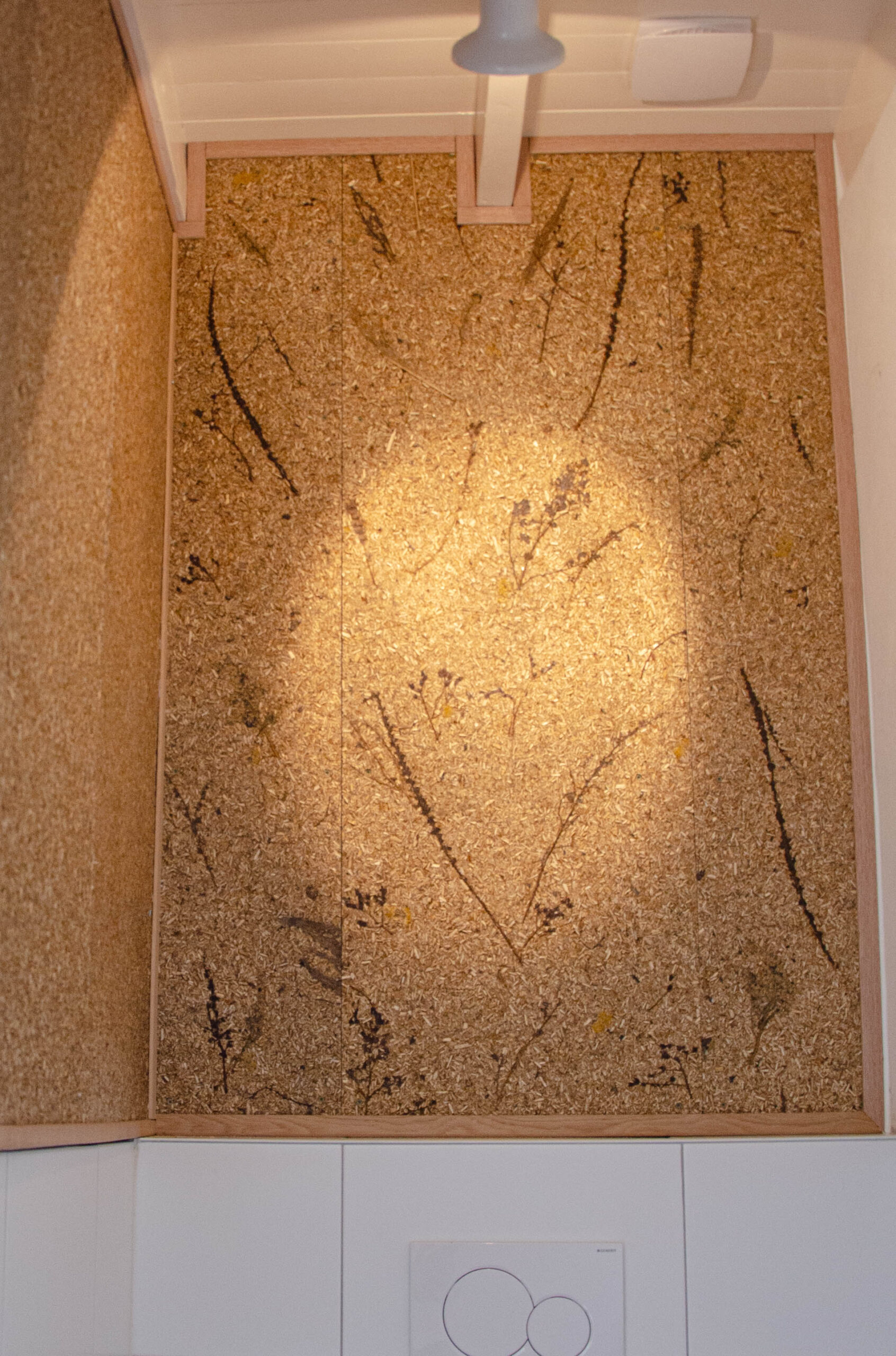
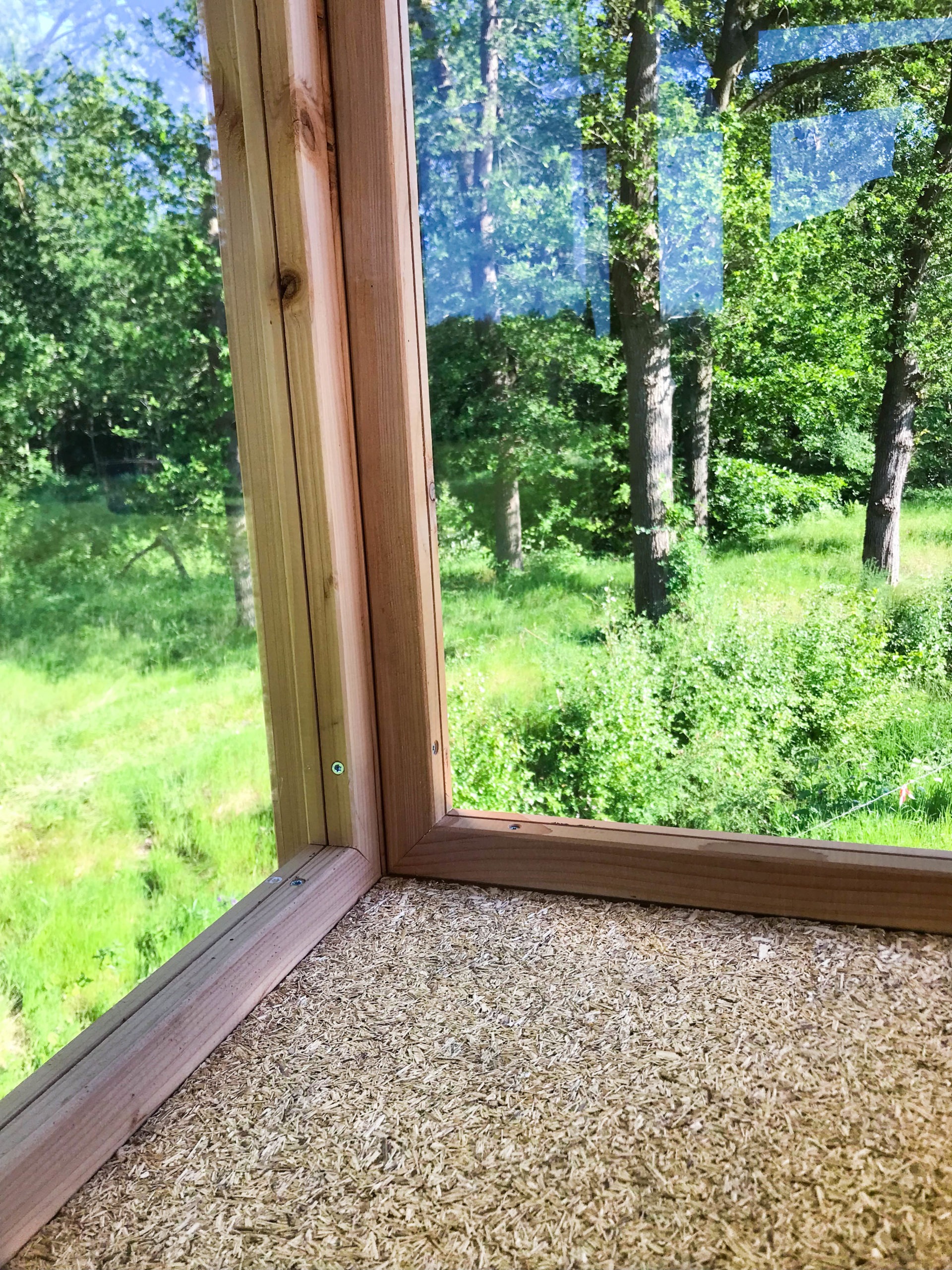
For friends of the company, Ciel & Roel, we designed and created a set of custom-made wall panels for a very specific space: their new toilet.
Their beautiful, classic townhouse in Eindhoven has a toilet with solid single-brick walls, which made the space feel cold and prone to moisture. They were looking for a wall finish that would allow the room to breathe, help regulate humidity, and add warmth—both functionally and visually.
We designed, produced and installed the panels, finished with a refined solid oak edge detail. To make the project truly personal, the panels incorporate local plant fibers harvested directly from Ciel and Roel’s own garden.
A small space, thoughtfully transformed—using materials that are literally rooted in the place itself.
Are you interested in a natural and characterful way to finish your walls?
Feel free to get in touch—we’d be happy to explore the possibilities with you.
Research
Praktikal Perfektion
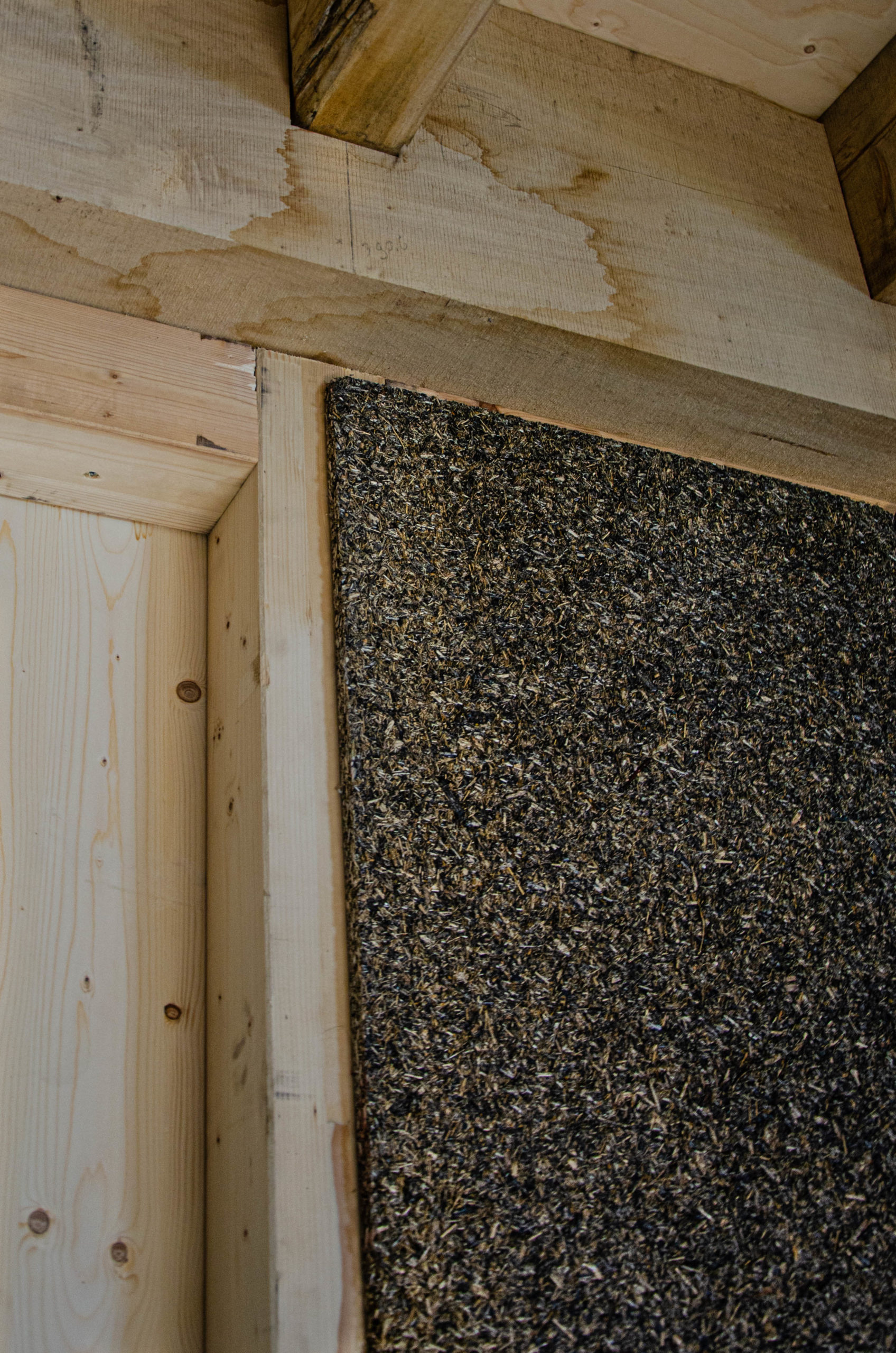
Together with our friends at Nieuw Zwanenburg in Oirschot, we had the opportunity to clad a wall in an old farmhouse owned by Rijkswaterstaat. The building is being given a new future by a team committed to rethinking material use and inspiring others to do the same.
At the end of 2025, we used this location to test and validate our fixing method. Armed with a drill, we installed the panels using different screw spacings: 20 cm, 30 cm, 40 cm and 50 cm. Based on this test, our current recommendation is a fixing point every 30 cm.
At Nieuw Zwanenburg, we will continue to monitor how the panels perform over the coming years in the context of an old farmhouse—learning from real use, in a real building.
EXHIBITION DESIGN
POSSIBLE LANDSCAPES
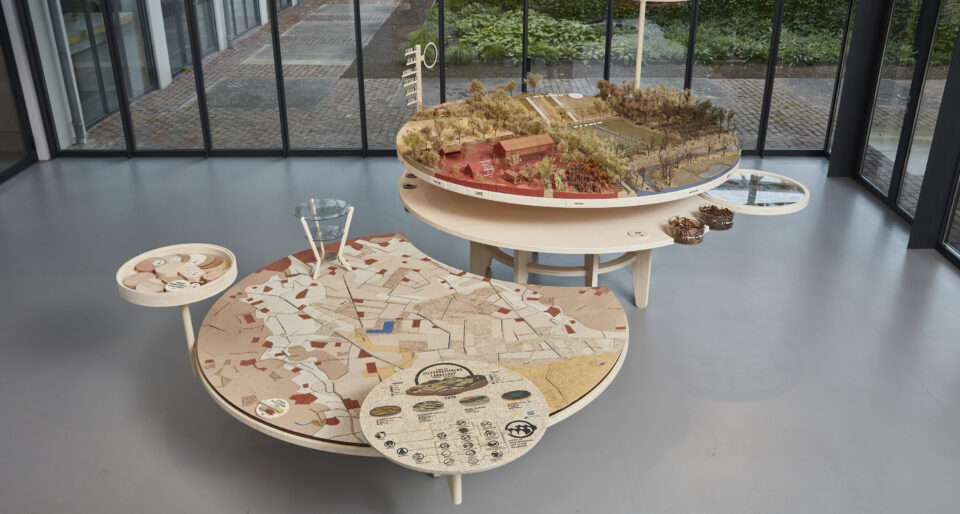
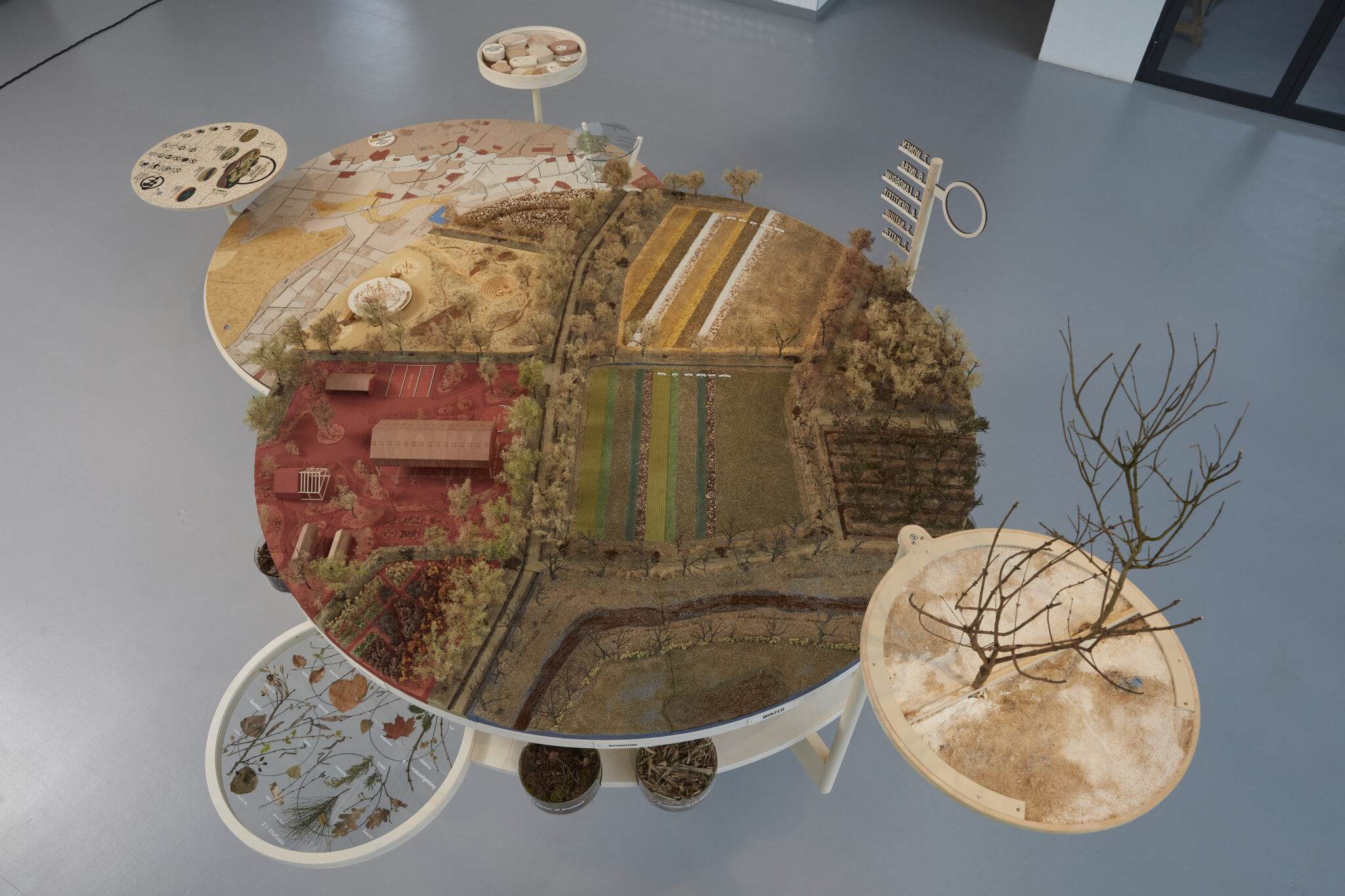
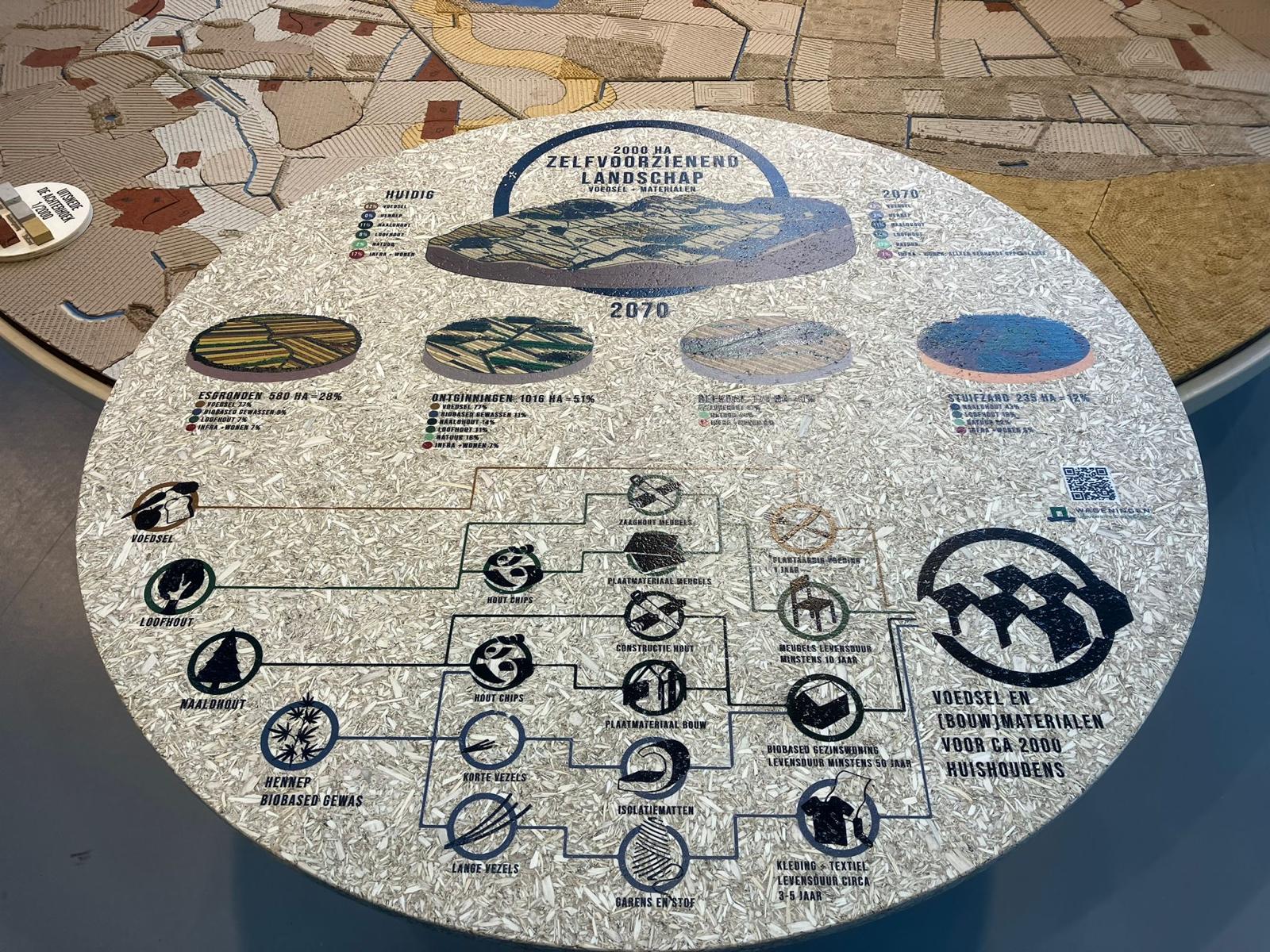
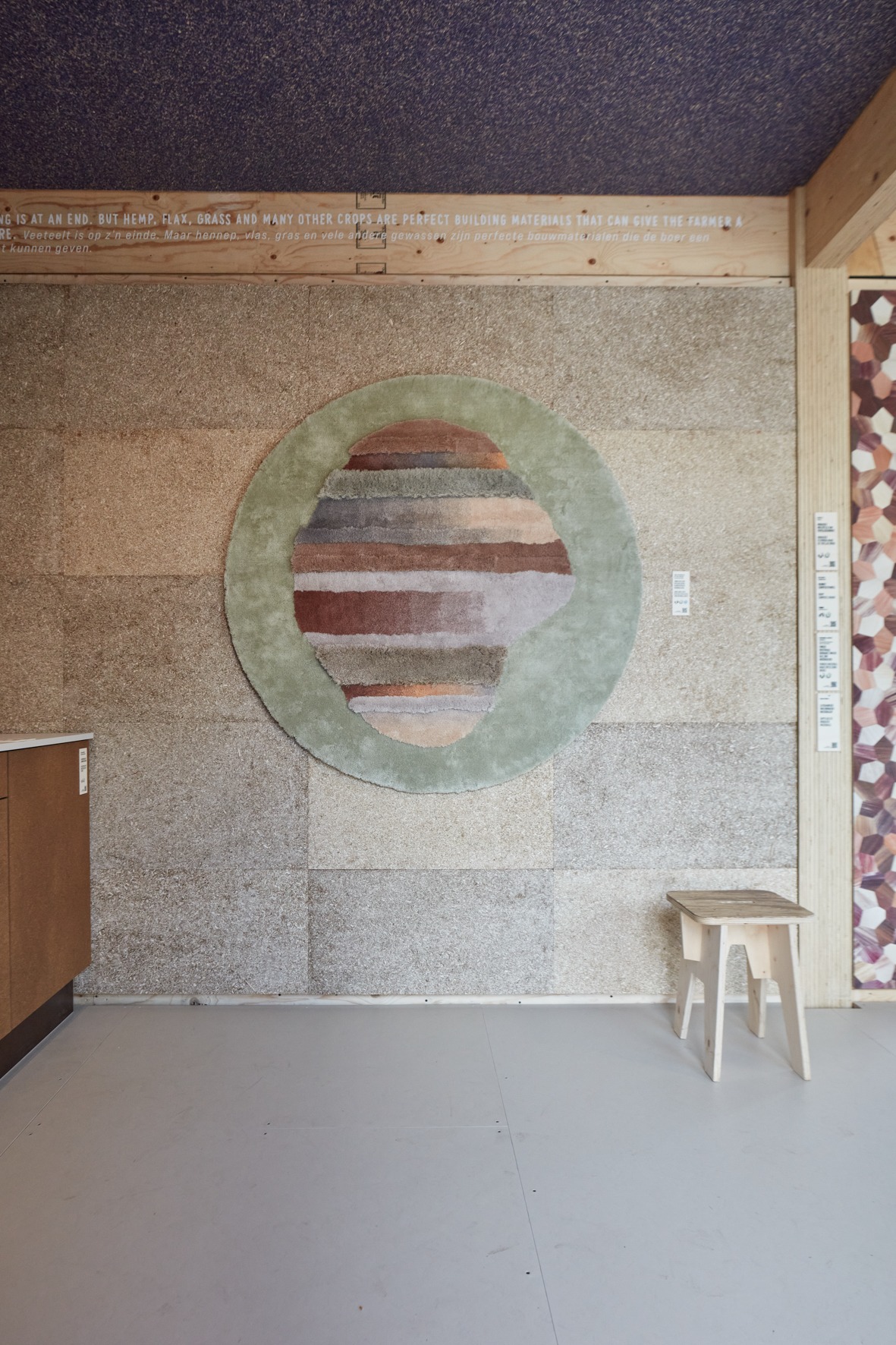
Possible Landscapes High Sandy Soils – De Achterhoek tells stories about living, building and farming together in the Achterhoek, focusing on regenerative agriculture, agroforestry and biobased materials. An important condition is healthy soil that retains sufficient water. The stories are based on perspectives collected from a broad group of local stakeholders. These perspectives have been transformed with story and imagination into a beautiful model installation that is made entirely from natural materials in collaboration with designers.
Special Thanks to Biobased Creations team.
FURNITURE
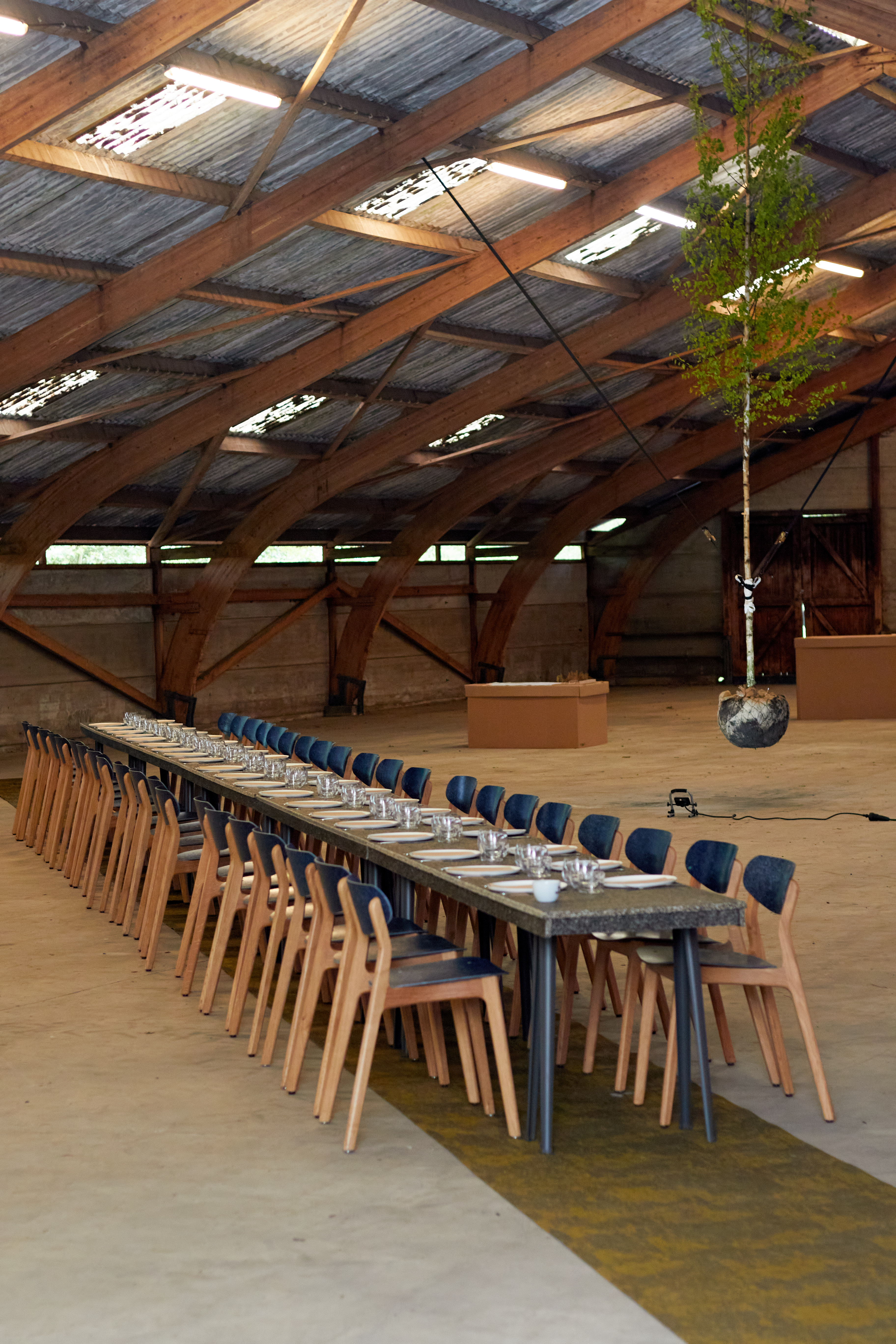
NIEUW ZWANENBURG
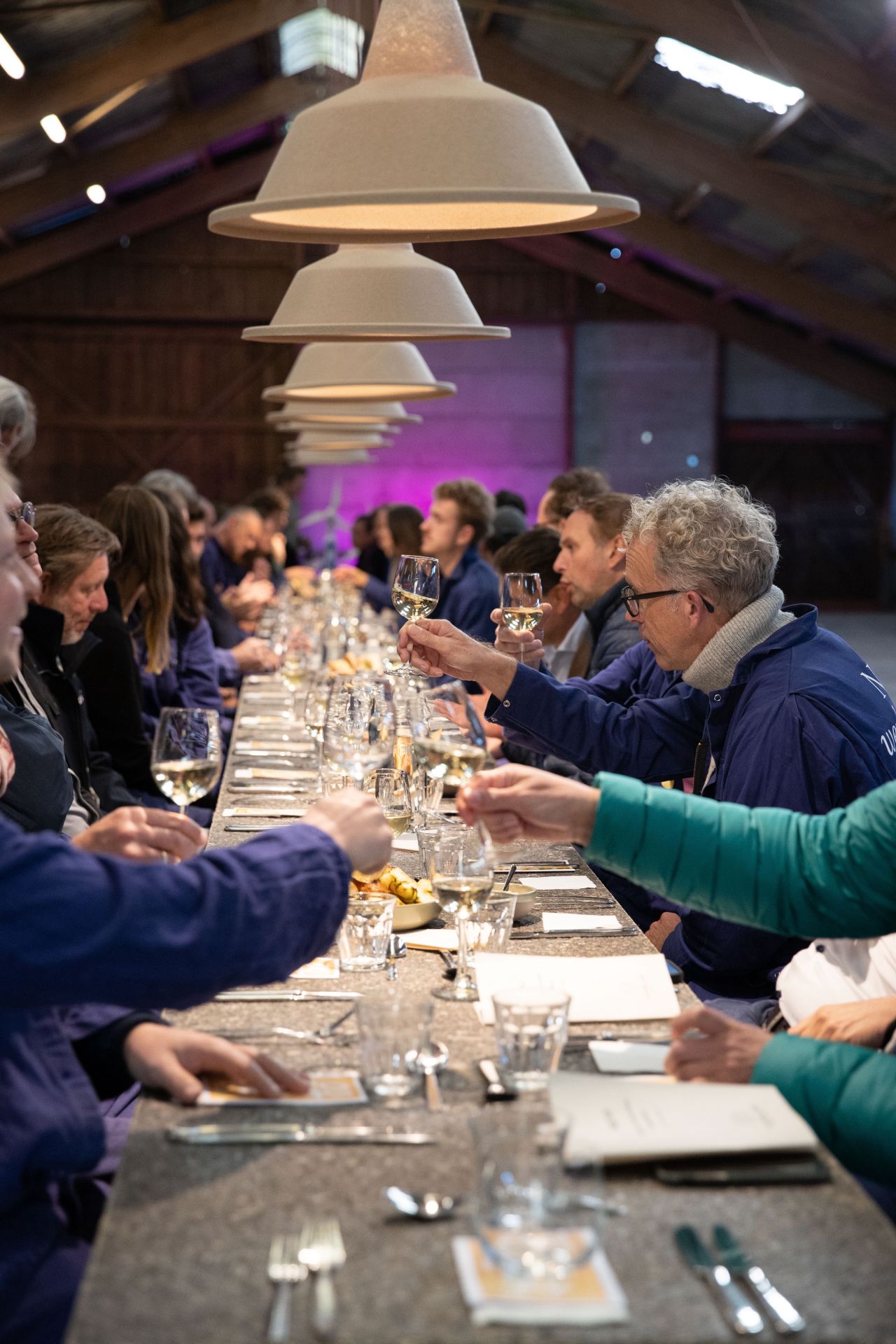
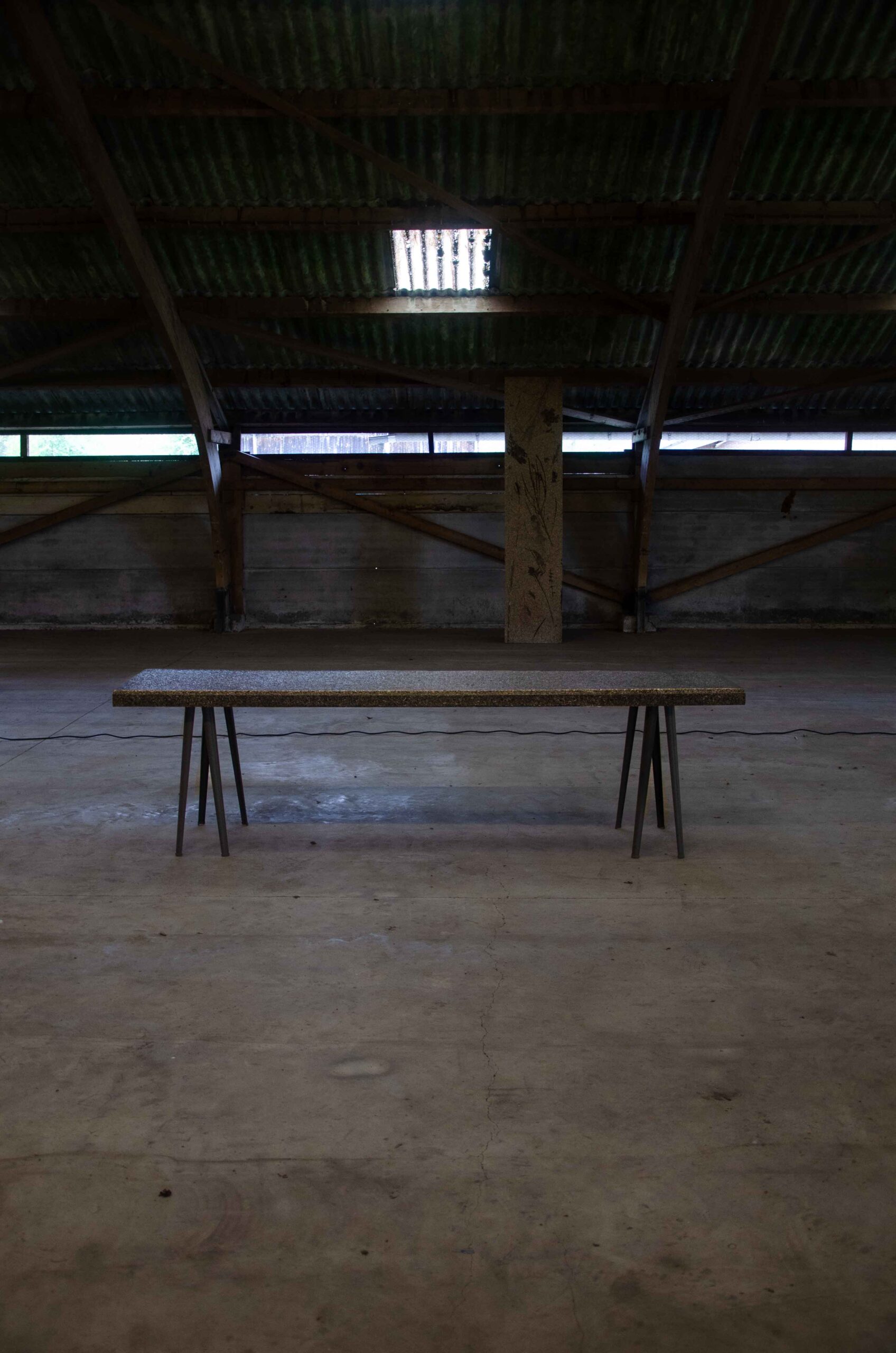
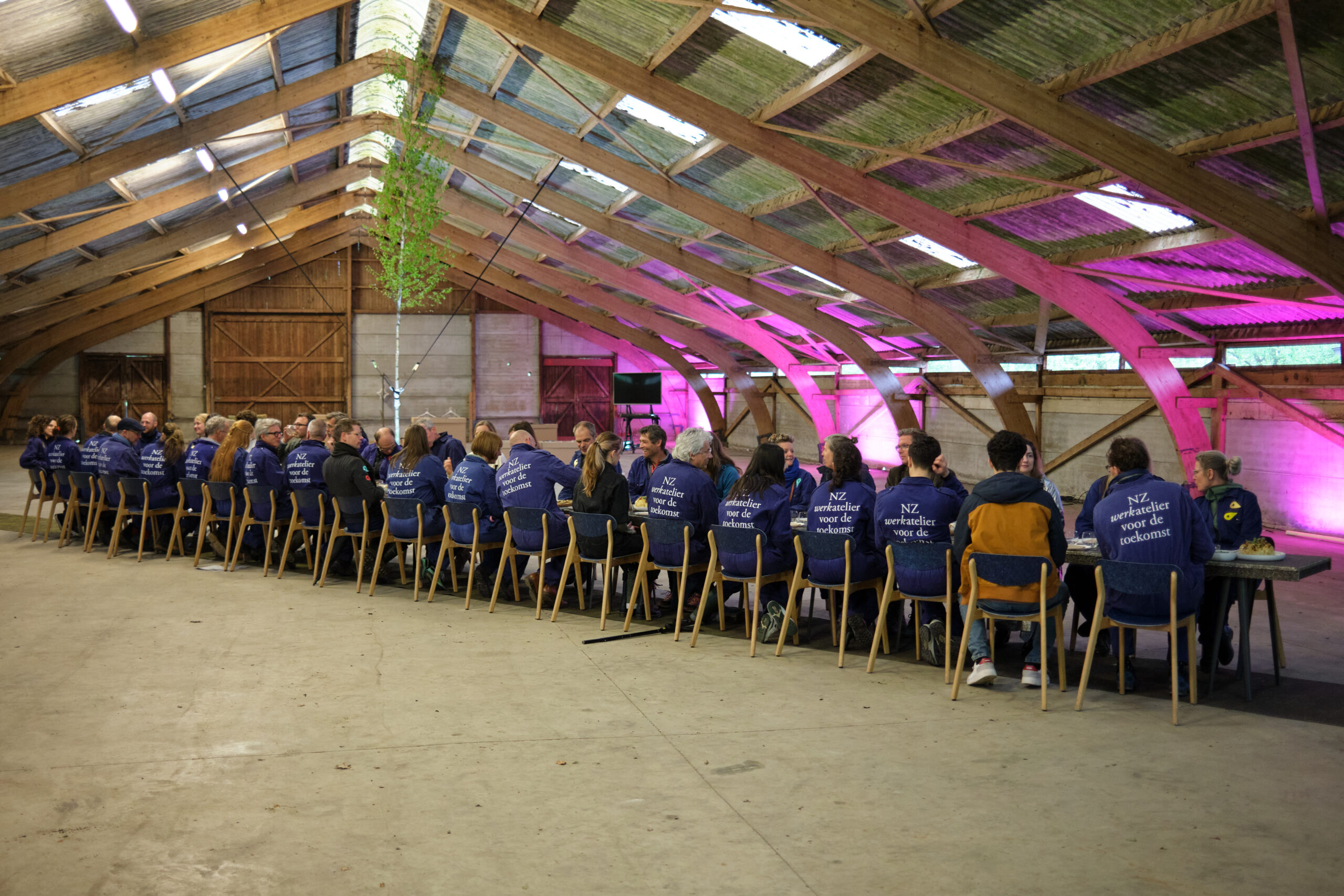
Tables made for Nieuw Zwanenburg in Oirschot, The Netherlands. Nieuw Zwanenburg is an old Farm where Biobased Materials are cultivated researched and developed for deployment in roads, buildings and bridges.
These tables are made for the yearly Sow-and-Yield Celebrations, where food is shared by local initiatives working on the challenges in the biobased field and Food.
Special Thanks to the initiators of Nieuw Zwanenburg, including Yksi Connect, Leonne Cuppen, Marijn van der Pol, Rijkswaterstaat Team, Paul Meijer and Hans Eenhoorn.
Pictures by Dubbel Dwars Fotografie
Website for more Information
Gemeente Amsterdam
INNOVATIEPAVILJOEN MARINETERREIN
Gemeente Amsterdam aims to build using more
biobased materials for the insulation of existing housing as well as the construction of new ones.
In collaboration with Exie (Belgium) Woodinc (Belgium) and Seawood (Rotterdam) we created a prefabricated panelling for both interiors and exteriors.They were finished with algea materials of Seawood.
The pavilion is located on the Marine Terrein and will be exhibited from 9-2023 until 9-2024.
Studio Skrabanja & Fe Ramakers
DE VOORUITKIJKER
Exclusive hotel room clad with Compostboard for Hotel Bitter and Zoet in Veenhuizen.
Designed by talented young architects to combine the beauty of nature and agriculture.
The pop up housing interior is built with Compostboard flooring and will be on display until November 2023.
Biobased Creations
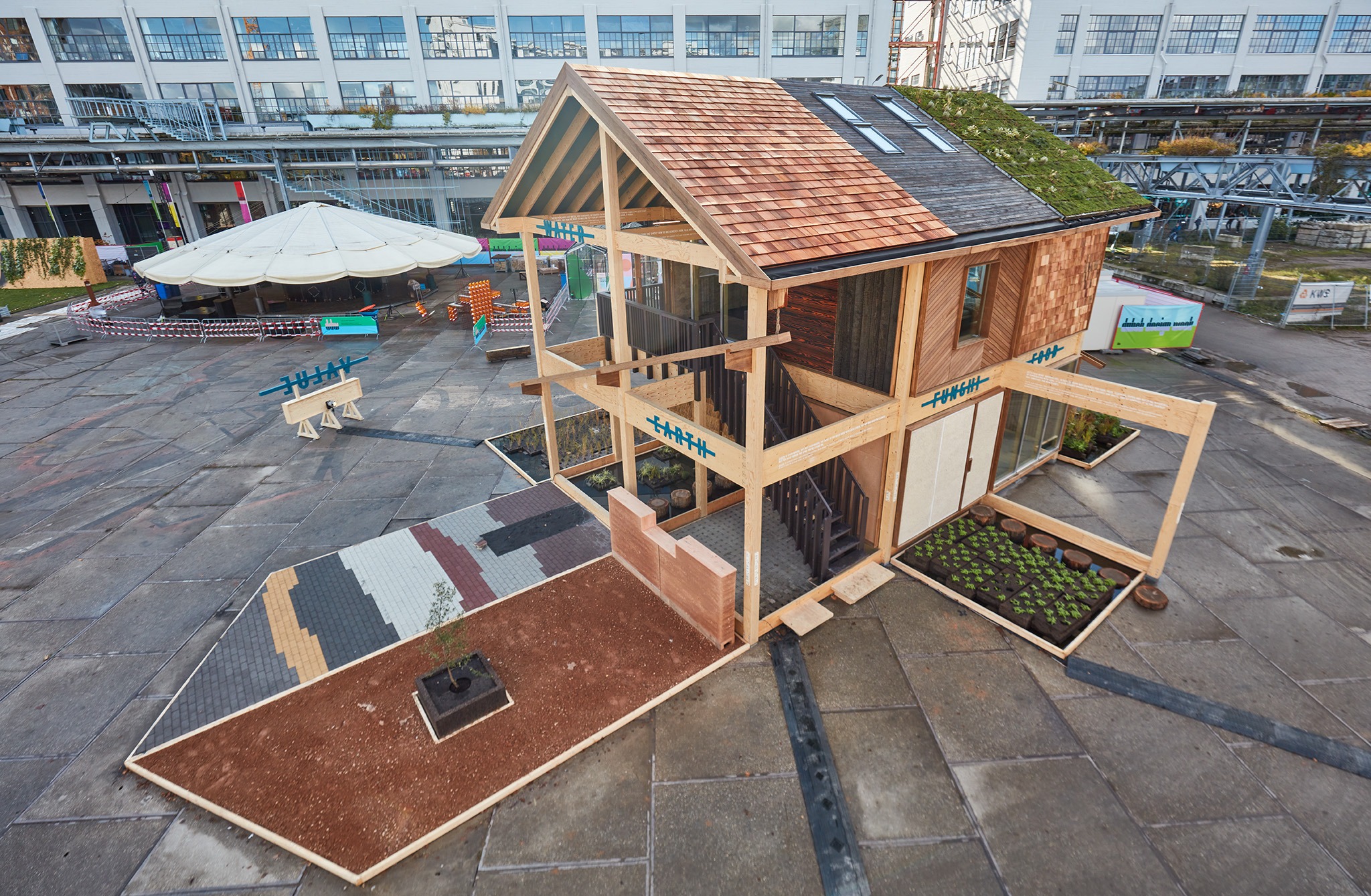
EXPLODED VIEW BEYOND BUILDING
Designed to showcase all the available biobased materials and to inspire all the builders / contractors / clients / municipalities to what is already in reach on the market.
The house won several leading awards in the architectural sector.
Compostboard is used in the kitchen area together with other agricultural biomaterials materials.
The house is traveling and currently situated at Kamp C Belgium.
Noodereng Groep & DP6 Architects
NATURAL PAVILION
During Floriade 2022, Paprikaplant wall cladding was presented. With plant fibers from Noord-Limburg. Compostboard was showcased as one of the materials of the nearby future.
Using waste as building material.
Fair Coffins
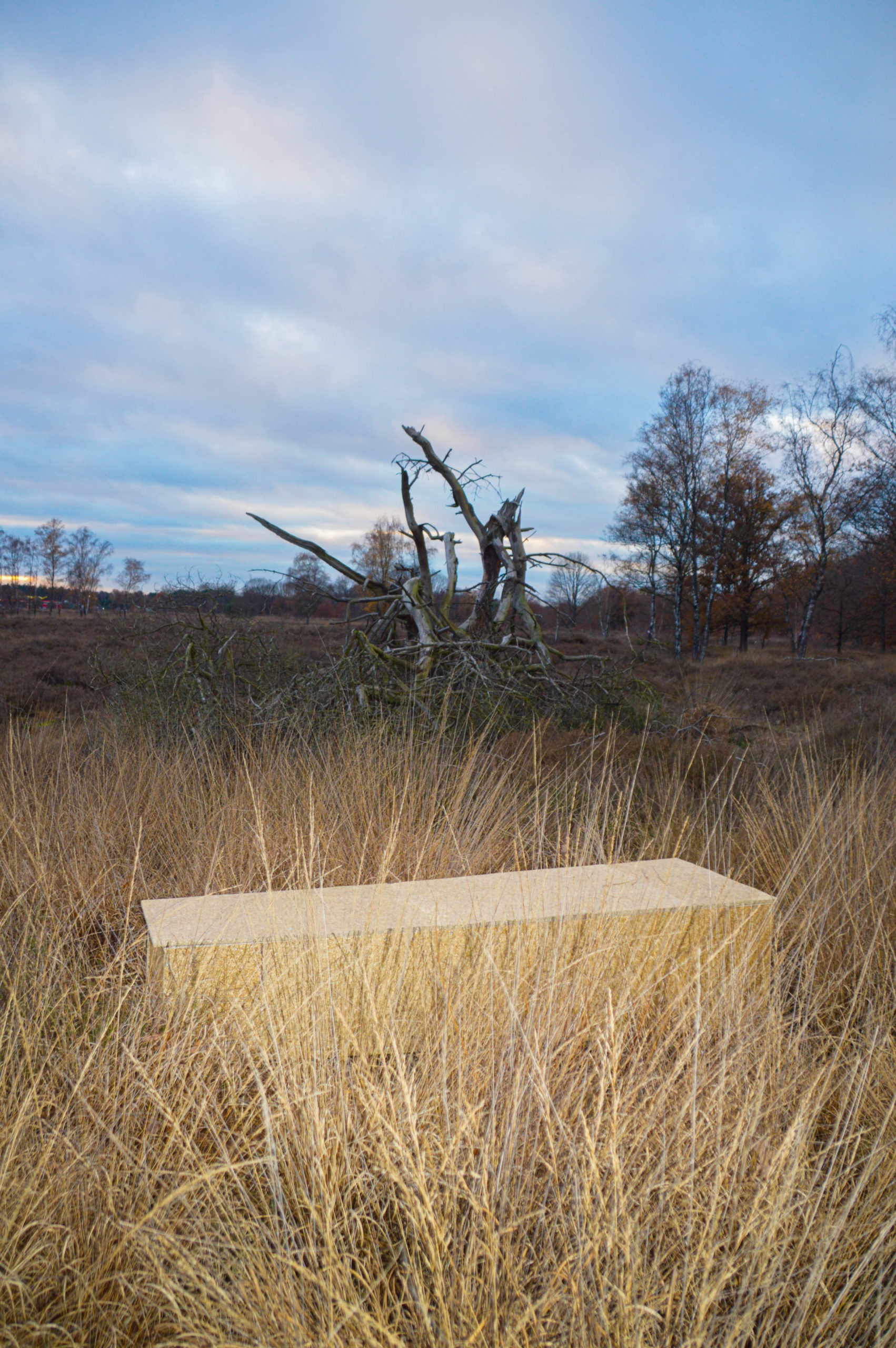
CompostCoffin
In Collaboration with Fair Coffins, we developed a Compostable Coffin. Designed to be fertilise the soil when discarded, the Coffin is suitable for a variety of landscapes.
Unfortunately the Coffin is not compatible for the technical requirements Fair Coffins requested, it is Flame Retardant making the coffin impossible to use in cremations.
Interested ?
Please contact us for the future of CompostCoffins.
Why Compostboard ?
Compostboard is a perfect example of how human life, economy, human demand and earth’s natural cycles can be all considered and respected in a design process.
A by-product of agricultural activity is natural waste that can be used to create meaningful sheet materials that traps CO2 emissions.
Every m2 contains 16 kg of CO2.
Compostboard is designed to benefit human needs as well as being fertile for the earth. Once the material is discarded, the biodiversity found in the soil is able to digest the nutrients, creating a more fertile and vital soil that is able to grow new crops and repeat the cycle.